

Wood-boring beetles are persistent insects that tunnel through structural lumber. They create distinctive exit holes and fine powder frass in infested wooden structures.

Wood-boring beetles, particularly powderpost beetles, are significant wood-destroying insects in Southern California. These beetles can cause extensive damage to structural timber, furniture, and other wood products, often remaining undetected until significant damage has occurred.
These persistent pests have a unique life cycle that can span 1-5 years, with larvae doing most of the damage as they tunnel through wood. Adult beetles emerge in spring and summer, leaving distinctive small, round exit holes. The presence of fine, powdery frass (wood dust) near these holes is a telltale sign of infestation. Their ability to reinfest the same wood and their preference for hardwoods with high starch content makes them particularly problematic in both new construction and older structures. The long development period and hidden nature of their damage often means infestations aren't discovered until significant structural compromise has occurred.

Anatomy of Wood-boring Beetles
Wood-boring beetles have specialized features adapted for their wood-boring lifestyle.
- Head
- Antennae
- Thorax
- Elytra
- Legs
- Wings
How to Identify Wood-boring Beetles
Adult beetles are dark brown to black, 1/8 to 1/4 inch long, with elongated, narrow bodies. Look for small, round exit holes, fine powder frass, and adult emergence holes in wood surfaces.
Habitat of Wood-boring Beetles
These beetles infest hardwood lumber, flooring, furniture, and wooden tools. They prefer wood with higher moisture content (above 6%) and proper grain structure, particularly in undisturbed areas.
Warning Signs of Wood-boring Beetles
Key indicators include pinhead-sized holes in wood surfaces, fine powder frass, adult emergence, and weakened wood. Listen for clicking sounds and watch for surface blistering.
Warning Signs of Wood-boring Beetles
Key indicators include pinhead-sized holes in wood surfaces, fine powder frass, adult emergence, and weakened wood. Listen for clicking sounds and watch for surface blistering.


Control Methods for Wood-boring Beetles
Control methods include wood treatments with borates, surface sprays, and in severe cases, fumigation. Prevention focuses on moisture control, wood sealing, and proper storage practices.

Drugstore Beetle

Carpet Beetle
Beetles are tough to control with over-the-counter products alone, especially once they're established in wood or fabric. Professional treatment identifies the specific species and targets it directly — call us for an inspection if you're seeing exit holes, frass, or fabric damage.
Most beetles found around Southern California homes aren't dangerous to people, but several species are destructive to property — wood-boring beetles compromise structural and decorative wood, and carpet beetles damage fabric, furniture, and stored textiles.
Look for small, round exit holes in wood surfaces, fine sawdust-like powder (frass) beneath them, and tunneling patterns just under the surface. Damage often isn't visible for two to five years after the initial infestation, since larvae develop slowly inside the wood.
Carpet beetles damage wool, silk, fur, and other natural fibers; wood-boring beetles tunnel through structural and decorative wood, leaving small exit holes and fine powder behind; and drugstore beetles infest stored food and spices, even chewing through packaging to reach it.
We Provide the Care toEliminate Termites and Pests For Good
Protecting your home from pests shouldn't be complicated. The Termite Guy makes it simple with wholistic solutions to inspect, treat, and restore your home back to perfection. With a 5 year pest-free warranty and over 25 years of success, we ensure every home is safe and secure.

Inspections

Treatments

Damage Repair
.avif)
.avif)
.avif)
.avif)


Protect Your Home Today

Termites

Subterranean Termites

Argentine Ant
Carpet Beetle

House Cricket

Black Widow

German Cockroach

Roof Rat

Ants

Drywood Termites

Red Imported Fire Ant
Drugstore Beetle

Jerusalem Cricket

Brown Widow

American Cockroach

Norway Rat

Bed Bugs

Dampwood Termites

Carpenter Ant
Wood-boring Beetles

Field Cricket

Wolf Spider

Oriental Cockroach

House Mouse
Beetles

Cockroaches

Crickets

Rodents

Spiders

Ticks & Fleas
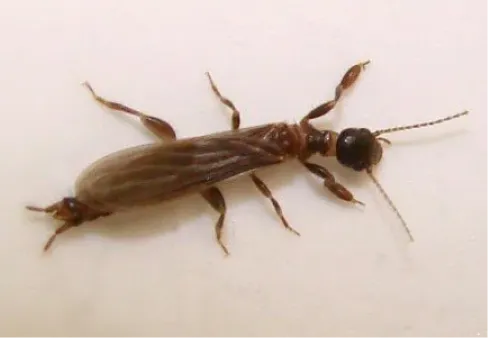
Web Spinners

Wasps
