

Carpet beetles are small fabric-destroying pests affecting natural fibers. Adults feed on pollen while larvae damage carpets, woolens, and other organic materials in homes.

Carpet beetles are common household pests in Southern California homes, known for their ability to damage natural fibers and textiles. While adult beetles feed on pollen and are often found near windows, it's their larvae that cause the most damage, feeding on materials containing keratin and other animal proteins.
These persistent pests can infest homes year-round, with peak breeding activity in spring. The adults can fly and enter homes through open windows or doors, laying eggs near potential food sources. Their larvae can spend several months feeding on carpets, wool, silk, leather, and other natural materials, making them particularly problematic in closets and storage areas. Their small size and ability to thrive in undisturbed areas often allows infestations to go unnoticed until significant damage has occurred. The varied patterns of white, brown, and yellow on adult beetles, combined with their oval shape, make them distinctive when spotted.

Anatomy of Carpet Beetles
Carpet beetles have specific physical characteristics that distinguish them from other household pests.
- Head
- Antennae
- Thorax
- Elytra
- Legs
- Wings
How to Identify Carpet Beetles
Adult carpet beetles are small (1/16 to 1/8 inch) with varied patterns of white, brown, and yellow. They have an oval shape and club-tipped antennae. Larvae are brown and hairy with distinctive tail bristles.
Habitat of Carpet Beetles
These beetles prefer dark, undisturbed areas where natural fibers are present. They're commonly found in closets, carpeting, upholstered furniture, and around stored woolens. They can also infest museum specimens and dried food products.
Warning Signs of Carpet Beetles
Key indicators include cast larval skins, irregular holes in fabrics, and adult beetles near windows. Look for shed larval casings and small holes appearing in natural fiber materials.
Warning Signs of Carpet Beetles
Key indicators include cast larval skins, irregular holes in fabrics, and adult beetles near windows. Look for shed larval casings and small holes appearing in natural fiber materials.


Control Methods for Carpet Beetles
Control methods include regular vacuuming, proper storage of susceptible materials, and targeted insecticide treatments. Prevention focuses on regular inspection of vulnerable items and proper storage using cedar products or protective bags.

Drugstore Beetle

Wood-boring Beetles
Beetles are tough to control with over-the-counter products alone, especially once they're established in wood or fabric. Professional treatment identifies the specific species and targets it directly — call us for an inspection if you're seeing exit holes, frass, or fabric damage.
Most beetles found around Southern California homes aren't dangerous to people, but several species are destructive to property — wood-boring beetles compromise structural and decorative wood, and carpet beetles damage fabric, furniture, and stored textiles.
Carpet beetles damage wool, silk, fur, and other natural fibers; wood-boring beetles tunnel through structural and decorative wood, leaving small exit holes and fine powder behind; and drugstore beetles infest stored food and spices, even chewing through packaging to reach it.
We Provide the Care toEliminate Termites and Pests For Good
Protecting your home from pests shouldn't be complicated. The Termite Guy makes it simple with wholistic solutions to inspect, treat, and restore your home back to perfection. With a 5 year pest-free warranty and over 25 years of success, we ensure every home is safe and secure.

Inspections

Treatments

Damage Repair
.avif)
.avif)
.avif)
.avif)


Protect Your Home Today

Termites

Subterranean Termites

Argentine Ant
Carpet Beetle

House Cricket

Black Widow

German Cockroach

Roof Rat

Ants

Drywood Termites

Red Imported Fire Ant
Drugstore Beetle

Jerusalem Cricket

Brown Widow

American Cockroach

Norway Rat

Bed Bugs

Dampwood Termites

Carpenter Ant
Wood-boring Beetles

Field Cricket

Wolf Spider

Oriental Cockroach

House Mouse
Beetles

Cockroaches

Crickets

Rodents

Spiders

Ticks & Fleas
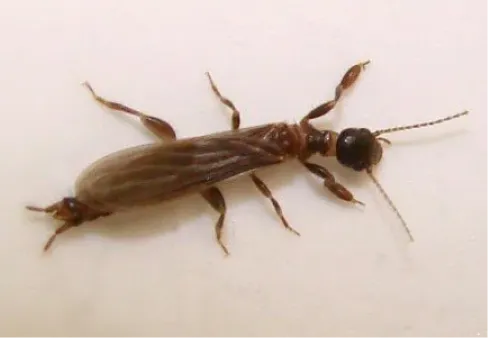
Web Spinners

Wasps
