

Spiders such as black widows, brown widows, and wolf spiders are common arachnids in Southern California. While most species help control other pests, some require careful management for safety.

Spiders are common arachnids found throughout Southern California, ranging from harmless household varieties to medically significant species. While most spiders are beneficial predators that help control other pest populations, some species require careful management.
Southern California's climate supports diverse spider populations year-round, with activity peaks during warmer months. Species of particular concern include black widows, brown widows, and occasionally recluse spiders, though most common house spiders pose no threat to humans. These arachnids play crucial roles in controlling insect populations, but their presence in homes and businesses can cause concern, particularly when venomous species establish themselves in human-occupied spaces. While all spiders can bite defensively, only a few species in the region have venom that poses health risks to humans.

Anatomy of Spiders
Spiders have characteristic features that distinguish them from insects and other arthropods.
- Eyes
- Pedipalps
- Cephalothorax
- Abdomen
- Legs
- Spinnerets
How to Identify Spiders
Spider identification focuses on body shape, web type, and distinctive markings. Key venomous species like black widows have characteristic red hourglass markings, while common house spiders vary in size and color patterns.
Habitat of Spiders
Spiders inhabit various environments from dark, undisturbed corners to garden areas. Web-building species prefer quiet locations with good anchor points, while hunting spiders may be found at ground level or in vegetation.
Warning Signs of Spiders
Look for webs in corners and quiet areas, egg sacs in protected locations, and live spiders, particularly at night. Increased presence of other insects may attract more spiders to an area.
Warning Signs of Spiders
Look for webs in corners and quiet areas, egg sacs in protected locations, and live spiders, particularly at night. Increased presence of other insects may attract more spiders to an area.


Control Methods for Spiders
Control involves removing webs, sealing entry points, and reducing harborage areas. Focus on excluding venomous species while tolerating beneficial varieties that help control other pests.

Black Widow

Brown Widow

Wolf Spider
Basements, attics, garages, and cluttered storage areas are the most common spots, since they're dark, undisturbed, and offer good web-building corners. Outdoors, woodpiles, eaves, and dense vegetation near the foundation are frequent hiding spots as well.
Black widow bites can cause severe pain, muscle cramps, and other whole-body symptoms, making them a medical concern. Brown widow venom is similarly potent, but brown widows are less likely to bite and typically inject less venom, so their bites are usually less severe. If you're bitten by either spider, seek medical attention—especially if symptoms worsen, you're a child, an older adult, or you have underlying health conditions.
Black widows are shiny black with a red hourglass marking on the underside; brown widows are mottled tan to dark brown with an orange or yellow hourglass and have distinctively spiky egg sacs. Brown widows are generally less dangerous, since they inject less venom and are less aggressive, but both warrant caution.
Spiders move indoors looking for food, warmth, and undisturbed places to build webs — a spider infestation isn't a sign of poor housekeeping, it's usually a sign there's an available food source (other insects) or easy entry points. High humidity and a lack of natural predators can also play a role.
We Provide the Care toEliminate Termites and Pests For Good
Protecting your home from pests shouldn't be complicated. The Termite Guy makes it simple with wholistic solutions to inspect, treat, and restore your home back to perfection. With a 5 year pest-free warranty and over 25 years of success, we ensure every home is safe and secure.

Inspections

Treatments

Damage Repair
.avif)
.avif)
.avif)
.avif)


Protect Your Home Today

Termites

Subterranean Termites

Argentine Ant

Carpet Beetle

House Cricket
Black Widow

German Cockroach

Roof Rat

Ants

Drywood Termites

Red Imported Fire Ant

Drugstore Beetle

Jerusalem Cricket
Brown Widow

American Cockroach

Norway Rat

Bed Bugs

Dampwood Termites

Carpenter Ant

Wood-boring Beetles

Field Cricket
Wolf Spider

Oriental Cockroach

House Mouse
Beetles

Cockroaches

Crickets

Rodents
Spiders

Ticks & Fleas
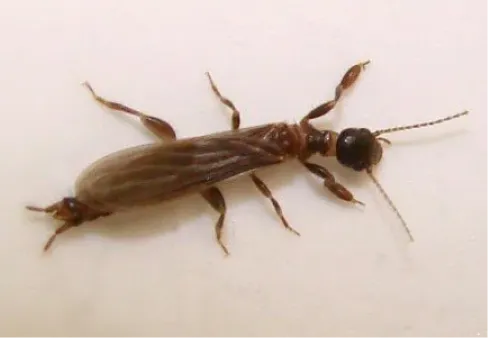
Web Spinners

Wasps
