

Carpenter ants are large black insects that excavate wood for nesting. While slower than termites, they cause significant structural damage to buildings over time.

Carpenter ants are significant wood-destroying pests in Southern California's woodlands and urban areas. Unlike termites, these large ants don't eat wood but excavate it to create nesting galleries, potentially causing serious structural damage to buildings and trees over time.
These nocturnal insects establish both parent and satellite colonies, with workers traveling between them along well-defined trails. Their presence often indicates moisture problems in structures, as they prefer water-damaged or decaying wood for excavation. While individual colonies may seem small, with 10,000-50,000 members, the connection between parent and satellite colonies can result in extensive networks throughout a structure. Their ability to nest in both indoor and outdoor locations, combined with their preference for moist wood, makes them particularly problematic in areas with plumbing leaks or poor drainage.

Anatomy of Carpenter Ants
Carpenter ants are among the largest ant species in Southern California, with distinct physical features.
- Head
- Antennae
- Mesosoma
- Metasoma
- Legs
- Gaster
How to Identify Carpenter Ants
These large ants are typically black with reddish legs and range from 1/4 to 1/2 inch in length. They have a distinctive heart-shaped head, evenly rounded thorax profile, and a circle of hairs on their abdomen tip. Workers come in multiple sizes.
Habitat of Carpenter Ants
Carpenter ants prefer moist, damaged wood for nesting but can excavate sound wood. They're commonly found in tree stumps, wooden structures, window frames, roof eaves, and areas with water damage.
Warning Signs of Carpenter Ants
Look for sawdust-like frass piles, hollow wood sounds, and visible galleries in wood. Other signs include clicking sounds in walls, wood shavings, and foraging trails, particularly at night.
Warning Signs of Carpenter Ants
Look for sawdust-like frass piles, hollow wood sounds, and visible galleries in wood. Other signs include clicking sounds in walls, wood shavings, and foraging trails, particularly at night.


Control Methods for Carpenter Ants
Control involves addressing moisture issues, removing damaged wood, and applying appropriate treatments. Chemical options include spot treatments, perimeter sprays, and bait stations. Prevention focuses on moisture control and tree trimming.

Argentine Ant

Red Imported Fire Ant
Store-bought sprays often only kill the ants you can see, leaving the colony and queen untouched to rebuild. A professional treatment targets the colony itself — our team will identify which species you're dealing with before recommending a treatment plan.
Most ants found around Southern California homes are nuisance pests that contaminate food and surfaces rather than posing a direct health threat. A few species, including fire ants, can deliver painful stings or trigger allergic reactions, so it's worth identifying what you're dealing with.
Worker ants are constantly searching for food and water, and once they find a source — an open trash can, pet food bowl, or aphid honeydew in the garden — they lay a pheromone trail that quickly draws the rest of the colony. That fast, coordinated communication is why ant problems can escalate from a few ants to a real infestation within days.
We Provide the Care toEliminate Termites and Pests For Good
Protecting your home from pests shouldn't be complicated. The Termite Guy makes it simple with wholistic solutions to inspect, treat, and restore your home back to perfection. With a 5 year pest-free warranty and over 25 years of success, we ensure every home is safe and secure.

Inspections

Treatments

Damage Repair
.avif)
.avif)
.avif)
.avif)


Protect Your Home Today

Termites

Subterranean Termites
Argentine Ant

Carpet Beetle

House Cricket

Black Widow

German Cockroach

Roof Rat

Ants

Drywood Termites
Red Imported Fire Ant

Drugstore Beetle

Jerusalem Cricket

Brown Widow

American Cockroach

Norway Rat

Bed Bugs

Dampwood Termites
Carpenter Ant

Wood-boring Beetles

Field Cricket

Wolf Spider

Oriental Cockroach

House Mouse
Beetles

Cockroaches

Crickets

Rodents

Spiders

Ticks & Fleas
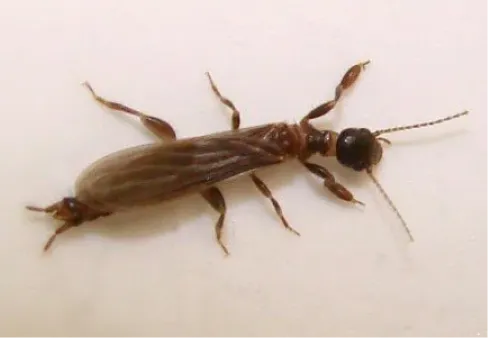
Web Spinners

Wasps
