

Crickets including house crickets, Jerusalem crickets, and field crickets are nocturnal insects known for distinctive chirping in Southern California.

Crickets are common nocturnal insects found throughout Southern California, known for their distinctive chirping and occasional invasion of structures. These insects can become problematic when they enter buildings or damage plants.
While primarily outdoor pests, crickets can create significant nuisance when they move indoors, particularly during seasonal changes or extreme weather conditions. Their presence in homes is often accompanied by constant chirping, which can disturb sleep and daily activities. Different species present varying challenges: house crickets often invade structures, field crickets damage plants and fabrics, and Jerusalem crickets, despite their alarming appearance, primarily affect roots and tubers in gardens. Their tendency to enter buildings through small gaps and attraction to lights makes them regular visitors to Southern California homes and businesses.

Anatomy of Crickets
Crickets have distinctive features that enable their jumping ability and sound production.
- Head
- Antennae
- Thorax
- Abdomen
- Legs
- Wings
How to Identify Crickets
Common cricket species range from small house crickets to large Jerusalem crickets. Most are brown to black with strong back legs for jumping. Males produce chirping sounds with their wings.
Habitat of Crickets
Crickets prefer dark, moist environments and are commonly found in gardens, under debris, and near building foundations. They may enter structures seeking warmth or moisture.
Warning Signs of Crickets
Listen for chirping sounds, especially at night. Look for damage to plants or fabrics, and watch for crickets around lights or entry points to buildings.
Warning Signs of Crickets
Listen for chirping sounds, especially at night. Look for damage to plants or fabrics, and watch for crickets around lights or entry points to buildings.


Control Methods for Crickets
Management involves reducing attractive conditions, sealing entry points, and removing harborage areas. Professional treatments may target both indoor and outdoor populations.

House Cricket

Jerusalem Cricket

Field Cricket
Seal cracks and gaps around doors, windows, and foundations, reduce outdoor lighting that attracts them at night, and keep pantry items — including pet food — in sealed containers. Once an indoor population is established, professional treatment is usually faster and more reliable than store-bought traps.
Crickets aren't dangerous, but their chirping can be a real nuisance, and large populations can damage fabrics, paper goods, and seedlings.
Crickets come indoors seeking food, shelter, and moisture, especially during dry spells when they're looking for relief from the heat. Improperly stored food — including pet food left out — can also attract them.
We Provide the Care toEliminate Termites and Pests For Good
Protecting your home from pests shouldn't be complicated. The Termite Guy makes it simple with wholistic solutions to inspect, treat, and restore your home back to perfection. With a 5 year pest-free warranty and over 25 years of success, we ensure every home is safe and secure.

Inspections

Treatments

Damage Repair
.avif)
.avif)
.avif)
.avif)


Protect Your Home Today

Termites

Subterranean Termites

Argentine Ant

Carpet Beetle
House Cricket

Black Widow

German Cockroach

Roof Rat

Ants

Drywood Termites

Red Imported Fire Ant

Drugstore Beetle
Jerusalem Cricket

Brown Widow

American Cockroach

Norway Rat

Bed Bugs

Dampwood Termites

Carpenter Ant

Wood-boring Beetles
Field Cricket

Wolf Spider

Oriental Cockroach

House Mouse
Beetles

Cockroaches
Crickets

Rodents

Spiders

Ticks & Fleas
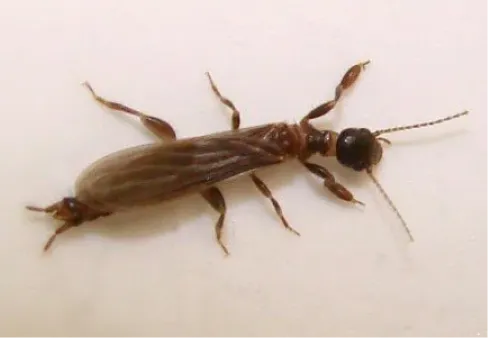
Web Spinners

Wasps
