

Wasps including paper wasps, yellowjackets, and mud daubers are aggressive stinging insects that build colonies throughout Southern California.

Wasps are aggressive stinging insects that establish colonies throughout Southern California's urban and rural areas. These territorial pests become particularly problematic during warm months when they build nests near human habitation.
Wasp activity in Southern California peaks from spring through fall, with colonies reaching their largest size in late summer. Unlike bees, wasps can sting multiple times and actively defend their nests with aggressive pursuit of perceived threats. Paper wasps, yellowjackets, and mud daubers are the most common species in the region. While they play beneficial roles in controlling other pest insects, their defensive behavior and painful stings make them significant concerns around homes and businesses, particularly during outdoor activities or when nests are established near entrances and high-traffic areas.

Anatomy of Wasps
Wasps have distinct physical features that separate them from bees and other flying insects.
- Head
- Antennae
- Thorax
- Legs
- Abdomen
- Wings
- Stinger
How to Identify Wasps
Most wasps in Southern California have distinctive yellow and black striped patterns with a narrow "waist" between thorax and abdomen. They are typically more aggressive than bees, with less hair and a more streamlined appearance.
Habitat of Wasps
Wasps build nests in protected locations such as eaves, attics, wall voids, and underground cavities. Different species prefer different nesting sites, with paper wasps favoring open-faced nests and yellowjackets often choosing enclosed spaces.
Warning Signs of Wasps
Look for increased wasp activity around buildings, visible nests under eaves or in shrubs, and wasps entering/exiting from holes in the ground or building structures. Activity increases significantly during warm weather.
Warning Signs of Wasps
Look for increased wasp activity around buildings, visible nests under eaves or in shrubs, and wasps entering/exiting from holes in the ground or building structures. Activity increases significantly during warm weather.


Control Methods for Wasps
Professional treatment is recommended due to aggressive defense behavior. Control methods include nest removal, exclusion work to prevent new nests, and targeted chemical treatments during peak activity periods.
Keep outdoor trash cans tightly covered, avoid leaving fallen fruit on the ground, and address any existing insect infestations wasps might be preying on. Sealing potential nesting cavities around eaves, vents, and siding gaps also helps.
We don't recommend it, especially for yellow jacket or hornet nests — disturbing them can trigger a defensive swarm resulting in multiple stings. Professional removal accounts for the species and nest location to remove it safely.
It depends on the species. Social wasps like yellow jackets and hornets are far more likely to sting, especially to defend a nest, and can swarm in large numbers when threatened. Solitary species, like most mud daubers, are much less aggressive.
Wasps are drawn to easy food sources — nectar, fruit, or other insects — and to good nesting spots like ground holes, window frames, or roof overhangs. Once a nest is established nearby, foraging wasps will keep showing up around your property.
We Provide the Care toEliminate Termites and Pests For Good
Protecting your home from pests shouldn't be complicated. The Termite Guy makes it simple with wholistic solutions to inspect, treat, and restore your home back to perfection. With a 5 year pest-free warranty and over 25 years of success, we ensure every home is safe and secure.

Inspections

Treatments

Damage Repair
.avif)
.avif)
.avif)
.avif)


Protect Your Home Today

Termites

Subterranean Termites

Argentine Ant

Carpet Beetle

House Cricket

Black Widow

German Cockroach

Roof Rat

Ants

Drywood Termites

Red Imported Fire Ant

Drugstore Beetle

Jerusalem Cricket

Brown Widow

American Cockroach

Norway Rat

Bed Bugs

Dampwood Termites

Carpenter Ant

Wood-boring Beetles

Field Cricket

Wolf Spider

Oriental Cockroach

House Mouse
Beetles

Cockroaches

Crickets

Rodents

Spiders

Ticks & Fleas
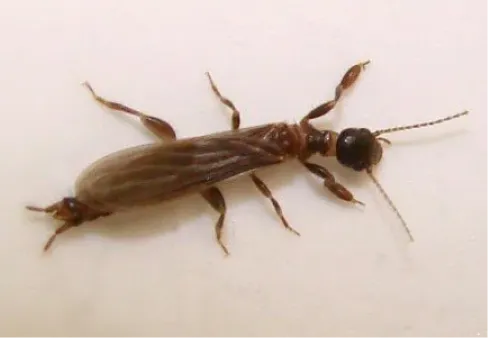
Web Spinners
Wasps
