

Jerusalem crickets are large, distinctive insects that live underground. Despite intimidating appearance, these solitary crickets primarily feed on plant roots and tubers.

Jerusalem crickets, despite their intimidating appearance, are generally harmless insects native to Southern California. These large, robust insects are often mistakenly called "potato bugs" and can cause alarm due to their size and unusual appearance.
Unlike house crickets, Jerusalem crickets are solitary insects that spend most of their time underground. They play a beneficial role in the ecosystem by feeding on decaying plant material and helping with soil turnover. While they can damage tubers and roots in gardens, their slow reproduction rate and solitary nature typically prevent them from becoming serious pests. Their presence in yards and gardens is often sporadic and seasonal, with peak activity during spring and summer months. Despite their fearsome appearance, they prefer to avoid human contact and will only bite if handled roughly.

Anatomy of Jerusalem Crickets
These large insects have distinctive physical characteristics that set them apart from other cricket species.
- Head
- Antennae
- Thorax
- Abdomen
- Legs
- Wings
How to Identify Jerusalem Crickets
These large crickets measure 1.5 to 2.5 inches in length with an amber/brown coloration and dark stripes. They have a distinctive human-like head, large smooth abdomen, and powerful legs for digging.
Habitat of Jerusalem Crickets
Jerusalem crickets are primarily found in soil environments, particularly in garden beds, under rocks and logs, and in compost piles. They prefer areas with loose, moist soil where they can dig easily.
Warning Signs of Jerusalem Crickets
Look for soil disturbance, burrows, and plant damage, particularly to roots and tubers. Night sightings and surface tunneling are common indicators of their presence.
Warning Signs of Jerusalem Crickets
Look for soil disturbance, burrows, and plant damage, particularly to roots and tubers. Night sightings and surface tunneling are common indicators of their presence.


Control Methods for Jerusalem Crickets
Management typically focuses on exclusion and habitat modification rather than chemical control. Methods include installing soil barriers, reducing moisture, and removing hiding spots. Hand removal is often sufficient for small populations.

House Cricket

Field Cricket
Seal cracks and gaps around doors, windows, and foundations, reduce outdoor lighting that attracts them at night, and keep pantry items — including pet food — in sealed containers. Once an indoor population is established, professional treatment is usually faster and more reliable than store-bought traps.
Crickets aren't dangerous, but their chirping can be a real nuisance, and large populations can damage fabrics, paper goods, and seedlings.
Crickets come indoors seeking food, shelter, and moisture, especially during dry spells when they're looking for relief from the heat. Improperly stored food — including pet food left out — can also attract them.
We Provide the Care toEliminate Termites and Pests For Good
Protecting your home from pests shouldn't be complicated. The Termite Guy makes it simple with wholistic solutions to inspect, treat, and restore your home back to perfection. With a 5 year pest-free warranty and over 25 years of success, we ensure every home is safe and secure.

Inspections

Treatments

Damage Repair
.avif)
.avif)
.avif)
.avif)


Protect Your Home Today

Termites

Subterranean Termites

Argentine Ant

Carpet Beetle
House Cricket

Black Widow

German Cockroach

Roof Rat

Ants

Drywood Termites

Red Imported Fire Ant

Drugstore Beetle
Jerusalem Cricket

Brown Widow

American Cockroach

Norway Rat

Bed Bugs

Dampwood Termites

Carpenter Ant

Wood-boring Beetles
Field Cricket

Wolf Spider

Oriental Cockroach

House Mouse
Beetles

Cockroaches

Crickets

Rodents

Spiders

Ticks & Fleas
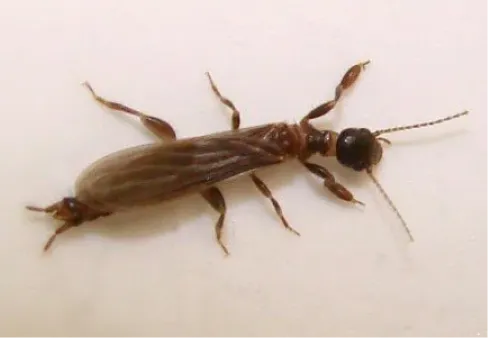
Web Spinners

Wasps
