

Poria Fungus: Meruliporia incrassata
Poria Can Cause Serious Wood Damage Before You Know It’s There
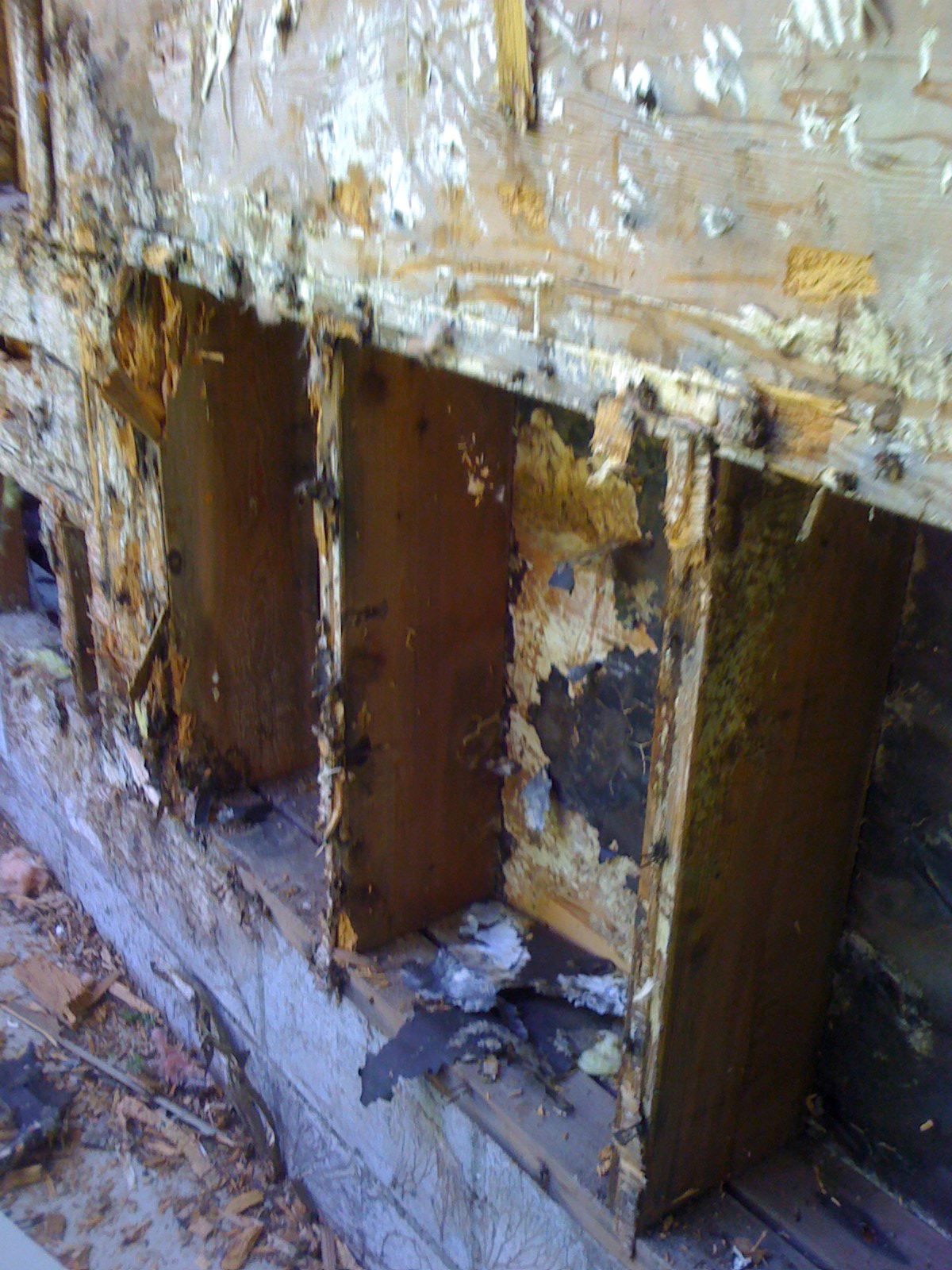
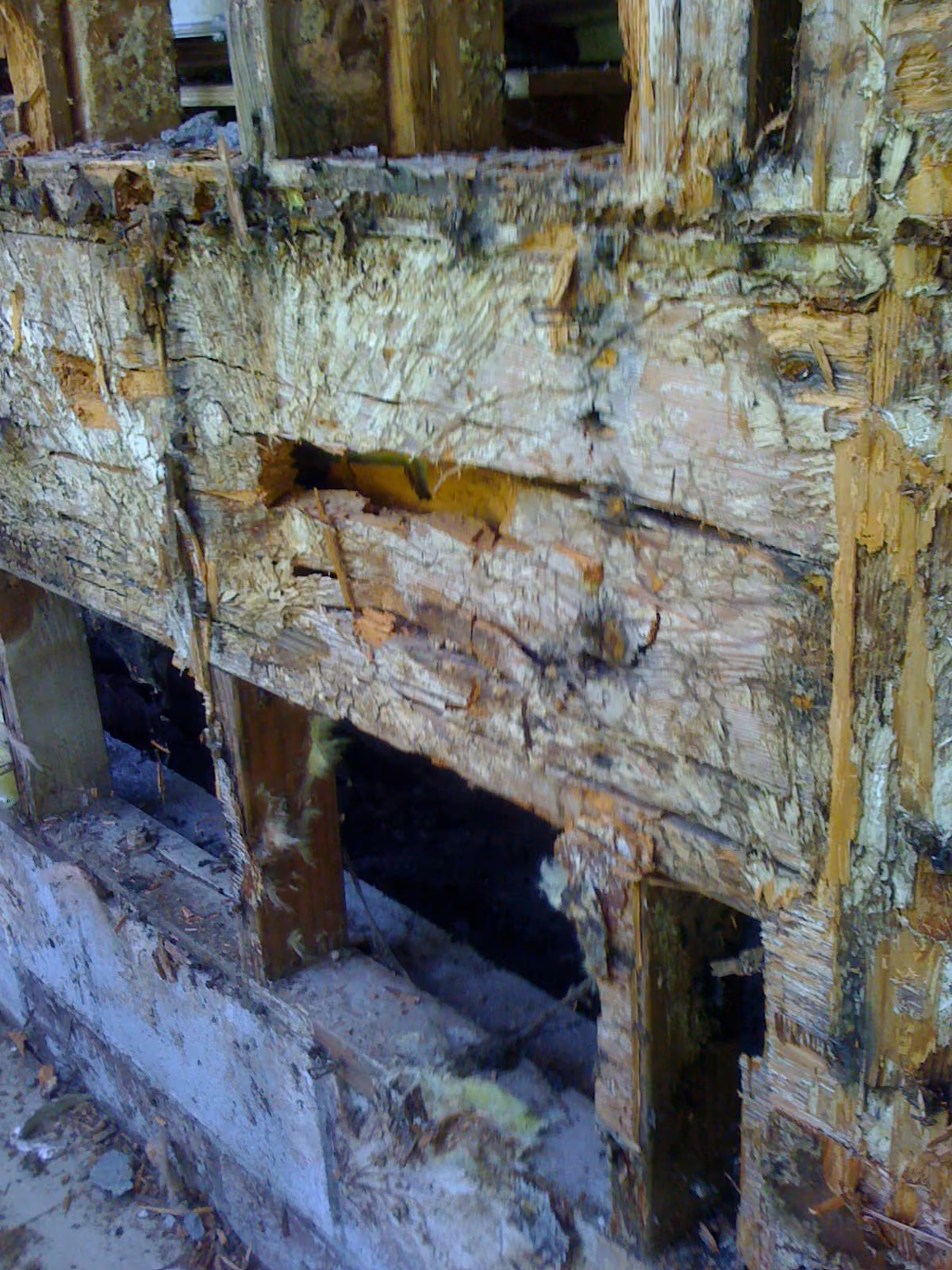
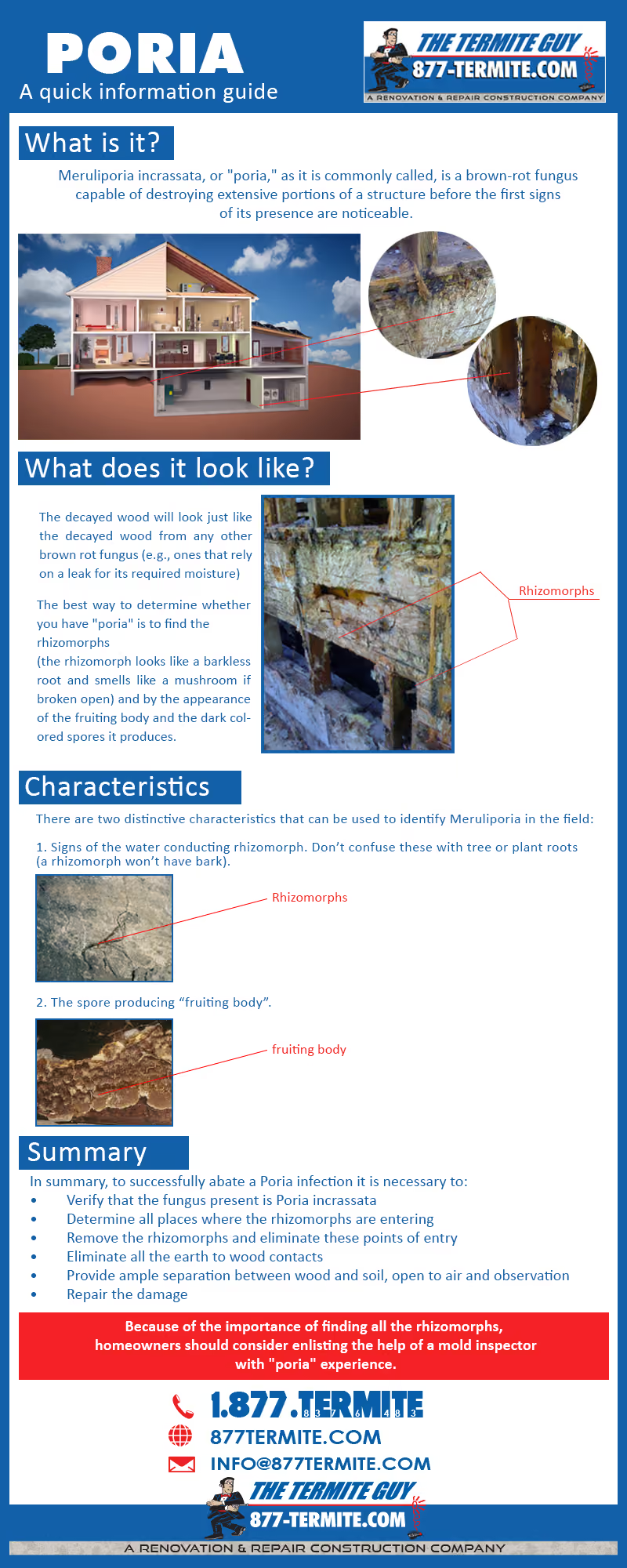
Meruliporia incrassata, commonly known as poria, is a brown-rot fungus capable of causing extensive damage to the wood in a home or building.
What makes poria especially concerning is its ability to transport moisture from the soil to wood through specialized, root-like structures called rhizomorphs. This means poria can continue attacking structural wood even when there is no obvious plumbing, roof, or window leak nearby.
Because much of the activity can occur inside walls, crawl spaces, foundations, and other concealed areas, significant deterioration may develop before the problem becomes visible.


Protect Your Home Today


What Is Poria?
Poria is a type of brown-rot wood-decay fungus. Brown-rot fungi attack components of wood and can cause the wood to lose structural integrity.
As the decay becomes advanced, affected wood can develop:
- Brown discoloration
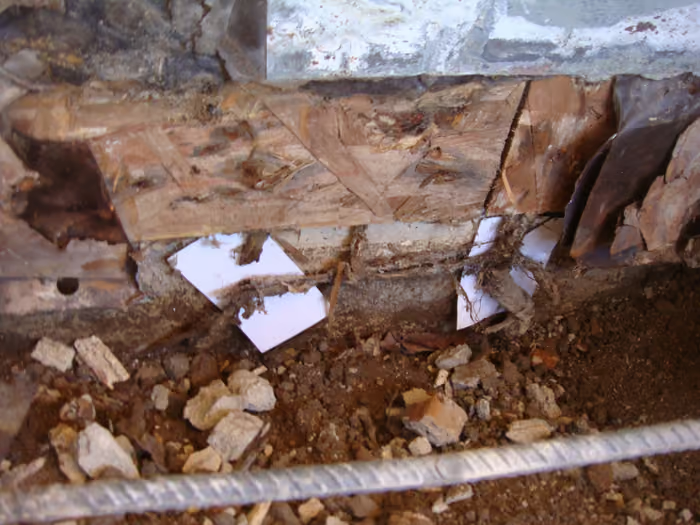
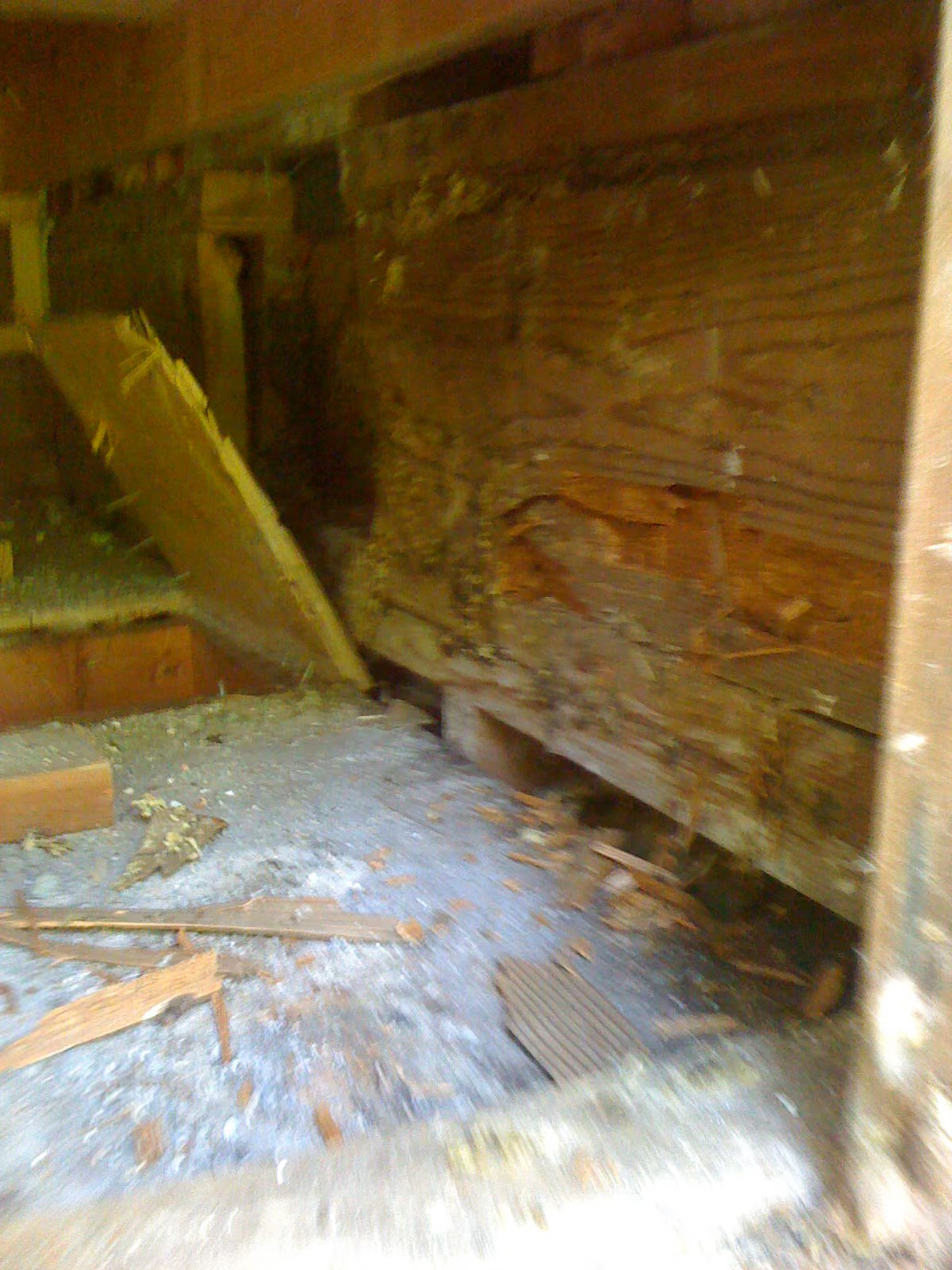
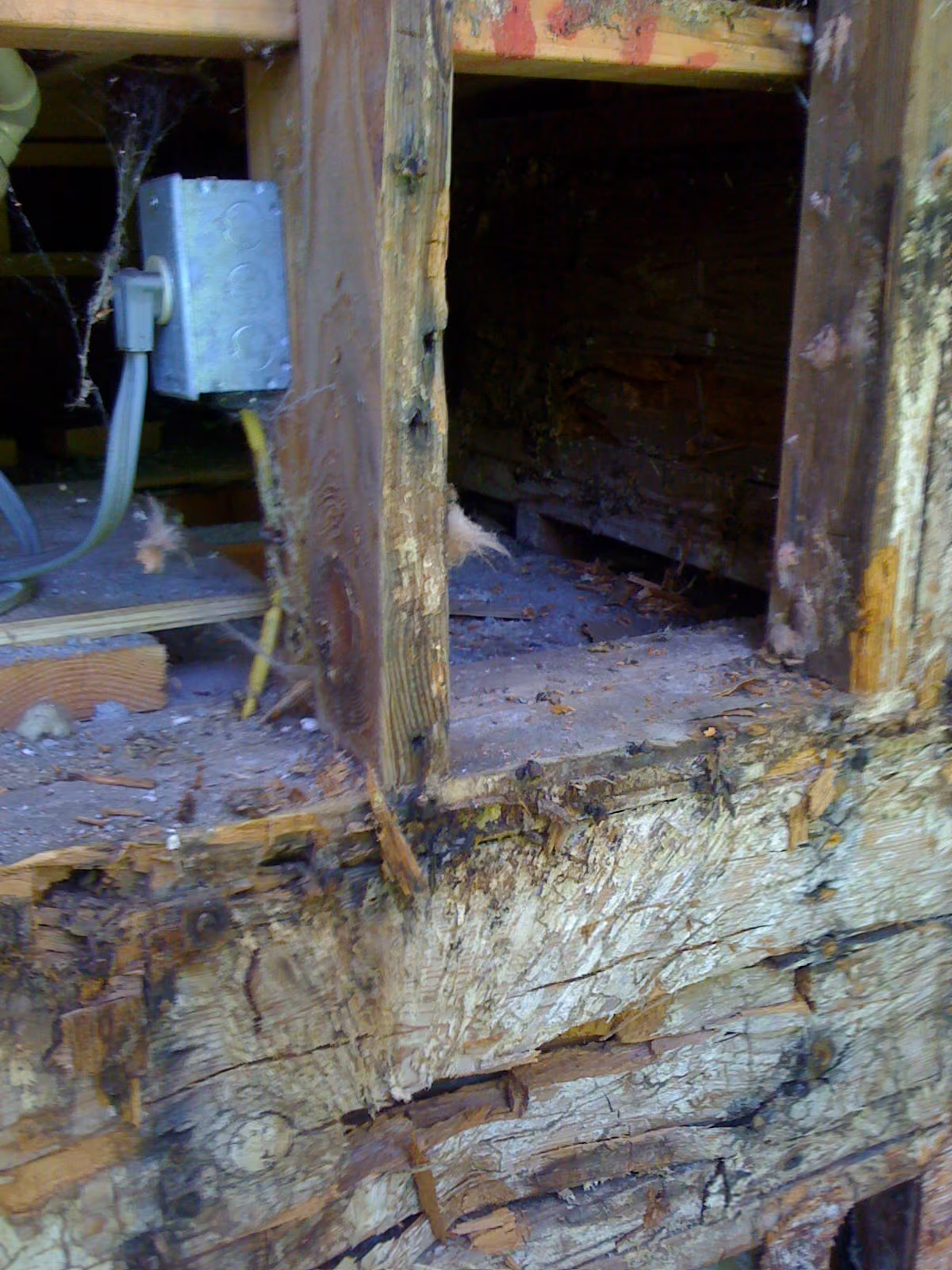
- Horizontal and vertical cracking
- A block-like or “cubical” cracking pattern
- Weak, deteriorated wood
- Fungal growth around framing or other wood components
The damaged wood itself may resemble damage caused by other brown-rot fungi. The important difference is how poria obtains the water it needs to grow.
Why Is Poria Different From Other Wood-Decay Fungi?
Most wood-decay fungi depend on moisture from a leak or another nearby water source.
Poria is different.
It can develop a specialized water-conducting structure known as a rhizomorph. Rhizomorphs allow the fungus to transport water—usually from the soil—to wood inside a building.
That means repairing what appears to be a roof, window, or plumbing leak may not solve the problem if the actual source of moisture is a poria rhizomorph entering the structure.
The rhizomorphs themselves must be located, and the conditions that allowed them to enter the structure must be corrected.
How to Recognize Poria
There are two particularly important characteristics that can help identify a poria infestation.
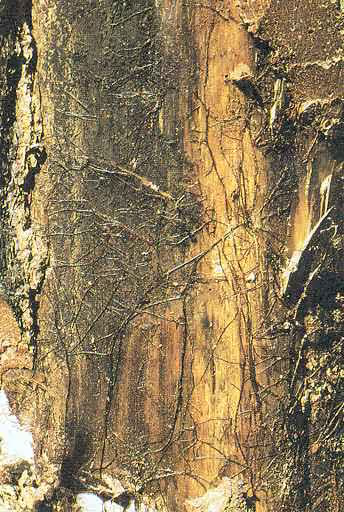
1. Rhizomorphs
Rhizomorphs can resemble plant or tree roots, but there is an important distinction: they do not have bark.
They may be found:
- Inside wall and stud cavities
- Around crawl spaces
- Passing through cracks in foundations
- Between soil and structural framing
- Near areas where wood or building materials are too close to the ground
According to the provided material, a rhizomorph can also produce a mushroom-like odor when broken open.
2. Fruiting Bodies
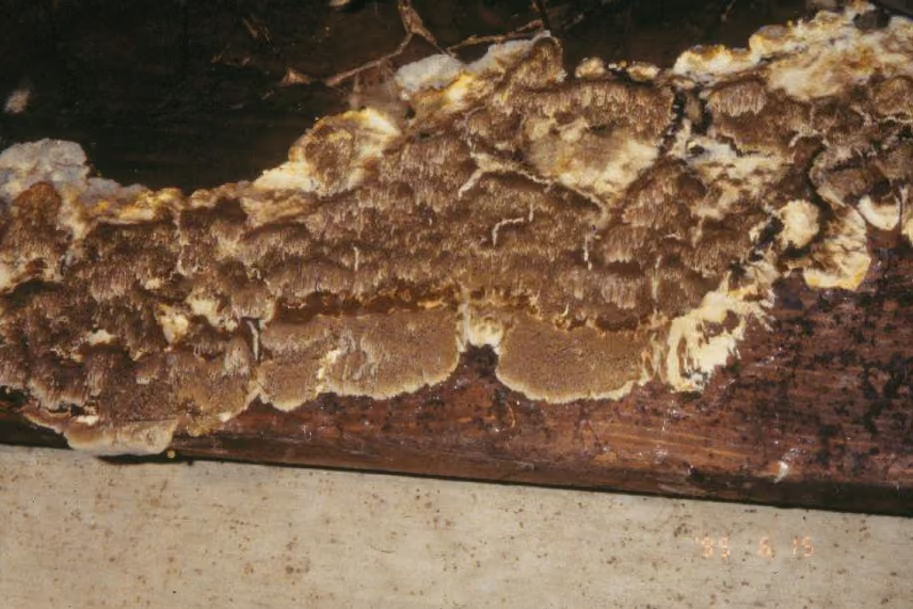
Poria may also produce a visible fruiting body, which is the spore-producing portion of the fungus.
A mature fruiting body can produce large quantities of brown-colored spores. Immature growth may have a yellow or orange appearance.
The presence of characteristic rhizomorphs or a poria fruiting body can provide important evidence when identifying the source of the wood decay.
How Does Poria Get Into a Home?
Poria is naturally associated with soil and decomposing woody material. Problems can occur when building conditions provide a protected path from the soil to structural wood.
Conditions identified in the provided materials include:
- Siding extending below grade
- Wood or structural materials positioned too close to soil
- Excessively humid crawl spaces
- Inadequate crawl-space ventilation
- Cracks in foundation walls or concrete slabs
- Planters located against exterior walls
- Poor grading around the building
- Sprinklers or drainage conditions that allow water to collect near the foundation
These conditions can allow rhizomorphs to travel from the soil into the building without being exposed to the dry conditions that would otherwise stop their growth.
Why Proper Identification Matters
Ordinary wood-decay fungi are often addressed by finding the local moisture source, stopping it, and replacing the damaged wood.
Poria requires a different approach because the apparent moisture source may not be the real source.
For example, fungal damage near a window could appear to have been caused by a window leak. But if a poria rhizomorph is transporting water into that area from the soil, repairing the window alone would not eliminate the underlying problem.
That is why identifying where the rhizomorphs are entering the building is an important part of a successful poria repair.
How Poria Is Addressed
Successfully correcting a poria problem involves more than removing visibly damaged wood.
The process may include:
- Confirm the presence of poria. Identify the fungal growth and determine whether rhizomorphs, fruiting bodies, or other evidence of Meruliporia incrassata are present.
- Locate the rhizomorph entry points. Determine where the fungus is traveling from the soil into the structure.
- Remove or sever the rhizomorphs. The water-conducting connection between the soil and affected wood must be eliminated.
- Correct earth-to-wood and moisture conditions. Wood should be properly separated from soil, and construction conditions that allowed the fungus to enter should be corrected.
- Prevent future entry. Depending on the property, repairs may involve correcting grade, foundation conditions, crawl-space conditions, drainage, or other construction details.
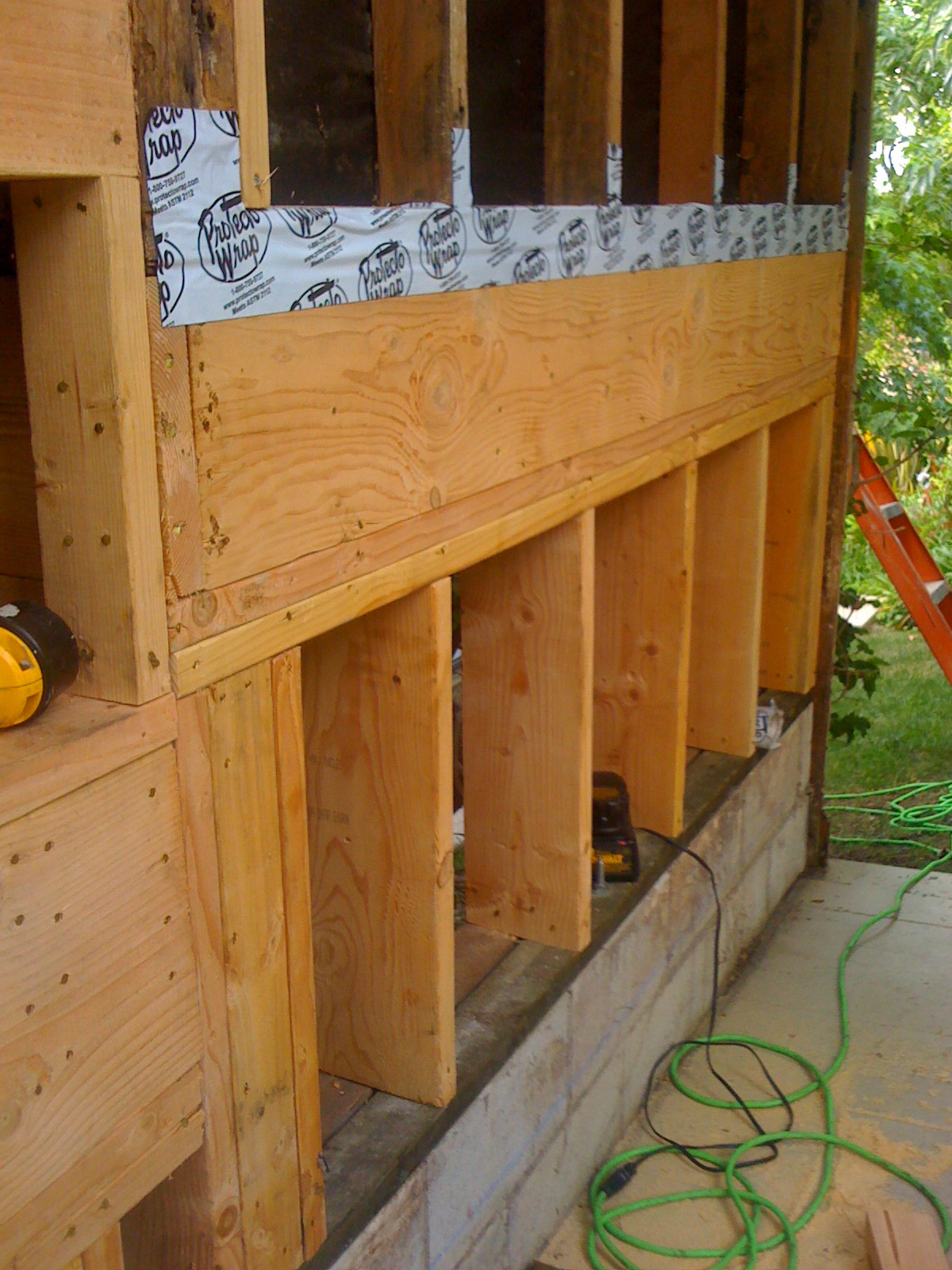
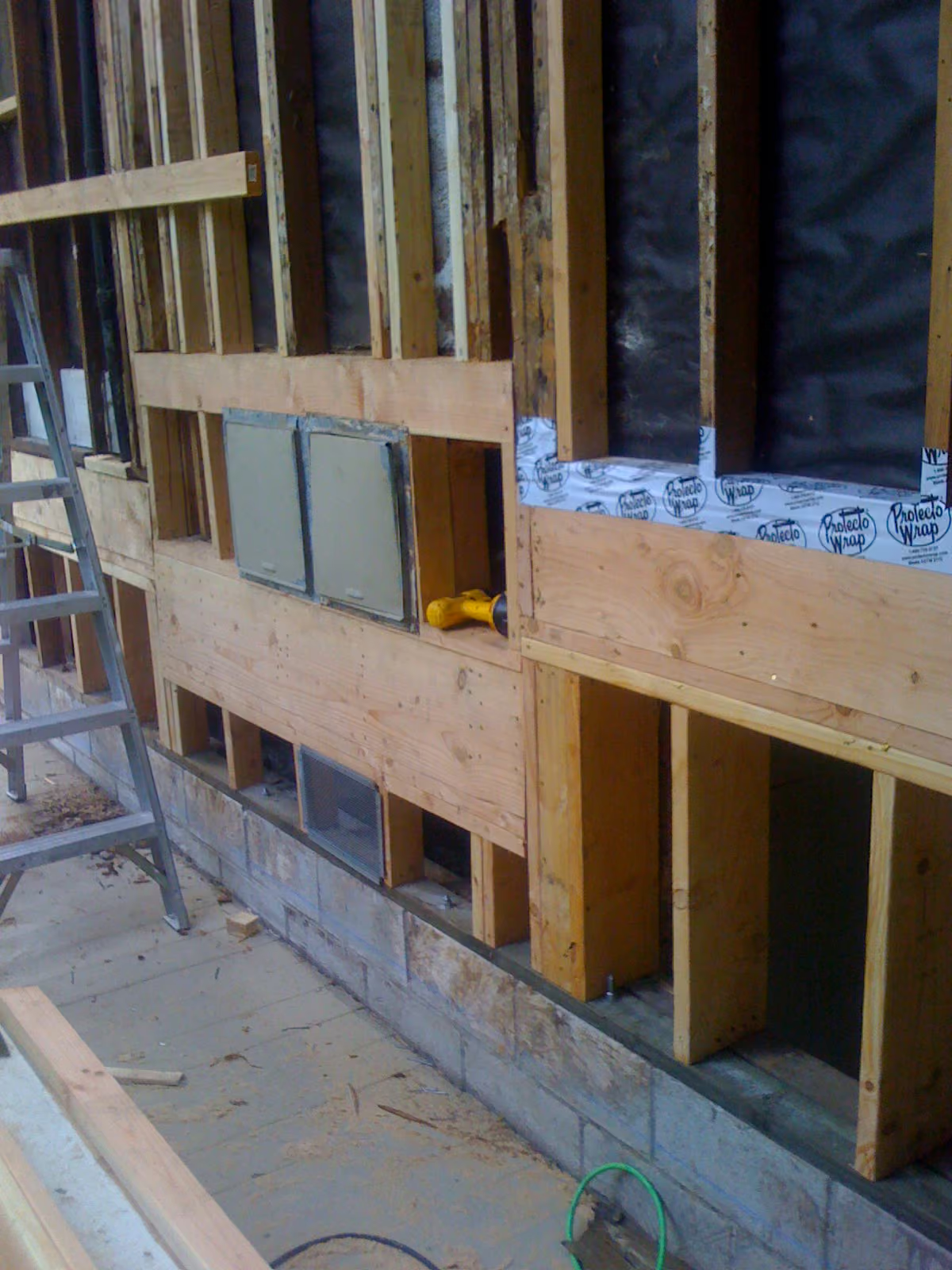
- Repair the structural damage. Wood that has been significantly damaged by decay may need to be removed and replaced.


Sara Pirooz
Home Repair
Justin Paxton
Fumigation
Bart Williamson
Treatment & Repair
Bonnie Frisch
Home Repair
Marc Guirguis
Home Repair
Larry Perez
Fumigation

