

Ant species including argentine ants, fire ants, and carpenter ants are common pests in Southern California structures and landscapes. These social insects establish large colonies and create persistent problems.

Ants are among the most common pests in Southern California, with various species adapting to both outdoor and indoor environments. These social insects can establish large colonies and create persistent problems in structures and landscapes.
Common pest species include Argentine ants, fire ants, and carpenter ants, each presenting unique challenges for control. Their complex social structure, with queens producing thousands of workers, allows colonies to grow rapidly when conditions are favorable. Different species exhibit varying behaviors: Argentine ants form massive supercolonies with multiple queens, fire ants construct visible mounds and deliver painful stings, while carpenter ants excavate wood for nesting. Their ability to exploit various food sources and establish satellite colonies makes complete elimination challenging without professional intervention.

Anatomy of Ants
Ants have specialized features that support their colonial lifestyle and diverse feeding habits.
- Head
- Antennae
- Mesosoma
- Metasoma
- Legs
- Gaster
How to Identify Ants
Pest species vary in size and color, but all have elbowed antennae and a distinct waist node. Worker ants range from tiny Argentine ants (1/16 inch) to larger carpenter ants (1/4 to 1/2 inch), with species-specific coloring patterns.
Habitat of Ants
Nesting locations vary by species: some prefer soil or wood, while others establish colonies in wall voids or under foundations. Most species maintain trails between nest sites and food sources.
Warning Signs of Ants
Watch for trailing ants, especially around food and water sources. Look for soil mounds, wood shavings from carpenter ants, or swarmers indicating new colony formation.
Warning Signs of Ants
Watch for trailing ants, especially around food and water sources. Look for soil mounds, wood shavings from carpenter ants, or swarmers indicating new colony formation.


Control Methods for Ants
Effective control requires proper species identification and understanding of colony structure. Treatment typically combines baits, barrier treatments, and elimination of conducive conditions.

Argentine Ant

Red Imported Fire Ant

Carpenter Ant
Store-bought sprays often only kill the ants you can see, leaving the colony and queen untouched to rebuild. A professional treatment targets the colony itself — our team will identify which species you're dealing with before recommending a treatment plan.
Most ants found around Southern California homes are nuisance pests that contaminate food and surfaces rather than posing a direct health threat. A few species, including fire ants, can deliver painful stings or trigger allergic reactions, so it's worth identifying what you're dealing with.
Worker ants are constantly searching for food and water, and once they find a source — an open trash can, pet food bowl, or aphid honeydew in the garden — they lay a pheromone trail that quickly draws the rest of the colony. That fast, coordinated communication is why ant problems can escalate from a few ants to a real infestation within days.
We Provide the Care toEliminate Termites and Pests For Good
Protecting your home from pests shouldn't be complicated. The Termite Guy makes it simple with wholistic solutions to inspect, treat, and restore your home back to perfection. With a 5 year pest-free warranty and over 25 years of success, we ensure every home is safe and secure.

Inspections

Treatments

Damage Repair
.avif)
.avif)
.avif)
.avif)


Protect Your Home Today

Termites

Subterranean Termites
Argentine Ant

Carpet Beetle

House Cricket

Black Widow

German Cockroach

Roof Rat
Ants

Drywood Termites
Red Imported Fire Ant

Drugstore Beetle

Jerusalem Cricket

Brown Widow

American Cockroach

Norway Rat

Bed Bugs

Dampwood Termites
Carpenter Ant

Wood-boring Beetles

Field Cricket

Wolf Spider

Oriental Cockroach

House Mouse
Beetles

Cockroaches

Crickets

Rodents

Spiders

Ticks & Fleas
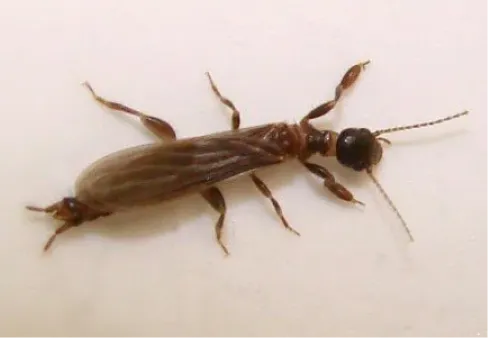
Web Spinners

Wasps
