

Bed bugs are blood-feeding parasites increasingly prevalent in Southern California. These nocturnal pests hide in tiny cracks, feed on sleeping hosts, and spread through human activity.

Bed bugs are parasitic insects that feed exclusively on blood and have become increasingly prevalent in Southern California. These nocturnal pests create significant stress and discomfort in residential and commercial settings.
These resilient insects have developed resistance to many pesticides, making them particularly challenging to control. They can survive months without feeding and hide in tiny cracks and crevices, emerging at night to feed on sleeping hosts. Their small size and ability to travel via luggage, furniture, and personal items allows them to spread quickly through multi-unit buildings and travel routes. While they don't transmit diseases, their bites cause physical discomfort and significant psychological distress. The stigma associated with infestations often leads to delayed reporting, allowing populations to establish more firmly before treatment begins.

Anatomy of Bed Bugs
Bed bugs have specialized features adapted for their parasitic lifestyle.
- Head
- Antennae
- Pronotum
- Wing Pad
- Legs
- Abdomen
How to Identify Bed Bugs
Adult bed bugs are reddish-brown, oval-shaped insects about the size of an apple seed (5-7mm long). Unfed bugs are flat with a brown color, while recently fed ones are rounder, darker, and more reddish.
Habitat of Bed Bugs
These pests prefer locations near sleeping areas, hiding in mattress seams, headboards, and nearby cracks. They can spread throughout rooms, concentrating in areas where people rest.
Warning Signs of Bed Bugs
Look for small blood stains on sheets, dark spots on mattresses, and live bugs in seams and crevices. Itchy bite patterns and a sweet, musty odor can indicate infestation.
Warning Signs of Bed Bugs
Look for small blood stains on sheets, dark spots on mattresses, and live bugs in seams and crevices. Itchy bite patterns and a sweet, musty odor can indicate infestation.


Control Methods for Bed Bugs
Professional treatment is essential, often combining heat treatment, targeted pesticides, and encasement strategies. Prevention focuses on regular inspection and careful monitoring of introduced items.
No — unlike many biting pests, bed bugs aren't known to transmit disease. Their bites can still cause allergic reactions, and the disruption to sleep and peace of mind is real, which is why most people want them gone fast.
Professional treatment is strongly recommended. Bed bugs have grown resistant to many over-the-counter products, can survive 20–400 days without feeding, and hide in cracks too small for typical sprays to reach effectively.
Yes — they travel through wall voids, along pipes, and through electrical outlets to reach adjacent units, which is why building-wide treatment is often necessary in multi-unit properties rather than treating just one unit.
Look for small reddish-brown bugs, dark excrement spots on mattress seams, blood spots on sheets, and clusters of itchy bites after sleeping. Bed bugs hide in mattress seams, headboards, and furniture joints during the day.
We Provide the Care toEliminate Termites and Pests For Good
Protecting your home from pests shouldn't be complicated. The Termite Guy makes it simple with wholistic solutions to inspect, treat, and restore your home back to perfection. With a 5 year pest-free warranty and over 25 years of success, we ensure every home is safe and secure.

Inspections

Treatments

Damage Repair
.avif)
.avif)
.avif)
.avif)


Protect Your Home Today

Termites

Subterranean Termites

Argentine Ant

Carpet Beetle

House Cricket

Black Widow

German Cockroach

Roof Rat

Ants

Drywood Termites

Red Imported Fire Ant

Drugstore Beetle

Jerusalem Cricket

Brown Widow

American Cockroach

Norway Rat
Bed Bugs

Dampwood Termites

Carpenter Ant

Wood-boring Beetles

Field Cricket

Wolf Spider

Oriental Cockroach

House Mouse
Beetles

Cockroaches

Crickets

Rodents

Spiders

Ticks & Fleas
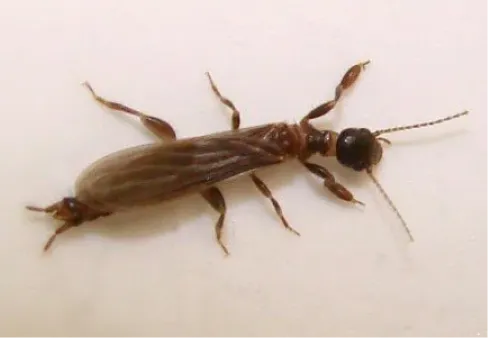
Web Spinners

Wasps
