

German cockroaches are small, prolific insects infesting kitchens and bathrooms. Their fast reproduction and resistance to treatments make them challenging to control.

German cockroaches are the most common indoor cockroach species in Southern California, particularly problematic in multi-unit housing and commercial food establishments. These small, light brown roaches with two dark stripes are notorious for their rapid reproduction and ability to thrive in human environments.
These persistent pests can establish large populations quickly, with females producing 4-8 egg cases in their lifetime, each containing 30-40 eggs. Their small size allows them to hide in tiny cracks and crevices, while their omnivorous feeding habits and ability to survive on minimal resources make them particularly difficult to control. They can spread various pathogens and their presence is associated with allergies and asthma, particularly in children. Their preference for warm, humid environments makes kitchens and bathrooms primary targets, where they can quickly establish widespread infestations if not properly managed.

Anatomy of German Cockroaches
German cockroaches have specific physical features that distinguish them from other species.
- Head
- Antennae
- Thorax
- Abdomen
- Legs
- Wings
How to Identify German Cockroaches
These roaches are light brown with two distinctive dark stripes on their pronotum. Adults measure 1/2 to 5/8 inch long, and nymphs are darker with similar stripes.
Habitat of German Cockroaches
They prefer warm, humid environments close to food and water sources. Common locations include kitchens, bathrooms, and areas around appliances and plumbing.
Warning Signs of German Cockroaches
Look for live roaches, especially at night, along with droppings, egg cases, and a distinctive musty odor. Early signs include droppings and cast skins in drawers and cabinets.
Warning Signs of German Cockroaches
Look for live roaches, especially at night, along with droppings, egg cases, and a distinctive musty odor. Early signs include droppings and cast skins in drawers and cabinets.


Control Methods for German Cockroaches
Control requires an integrated approach including sanitation, habitat modification, and targeted chemical treatments. Professional intervention often combines baits, growth regulators, and residual sprays.

American Cockroach

Oriental Cockroach
Because cockroaches reproduce quickly and hide in tiny cracks, DIY sprays rarely solve an established infestation. Our integrated approach combines multiple treatment methods to eliminate roaches at the source, along with guidance on sealing entry points and removing the conditions that attracted them.
German cockroaches are small (about ½ inch) with two dark stripes behind the head and are the most common indoor species. American cockroaches are larger (up to 1.5–2 inches), reddish-brown, and often called palmetto bugs. Oriental cockroaches are dark, prefer damp areas like basements and drains, and are sometimes called water bugs.
Yes — cockroaches can carry and spread bacteria like salmonella and E. coli by contaminating food and surfaces, and their droppings and shed skin can trigger allergies and asthma symptoms. They're considered a genuine public health concern, not just an unpleasant nuisance.
Cockroaches need easy access to food, water, and shelter, and they reproduce quickly once they find it. They typically enter through cracks and crevices, hitchhike in on boxes or used furniture, and thrive wherever clutter or moisture builds up.
We Provide the Care toEliminate Termites and Pests For Good
Protecting your home from pests shouldn't be complicated. The Termite Guy makes it simple with wholistic solutions to inspect, treat, and restore your home back to perfection. With a 5 year pest-free warranty and over 25 years of success, we ensure every home is safe and secure.

Inspections

Treatments

Damage Repair
.avif)
.avif)
.avif)
.avif)


Protect Your Home Today

Termites

Subterranean Termites

Argentine Ant

Carpet Beetle

House Cricket

Black Widow
German Cockroach

Roof Rat

Ants

Drywood Termites

Red Imported Fire Ant

Drugstore Beetle

Jerusalem Cricket

Brown Widow
American Cockroach

Norway Rat

Bed Bugs

Dampwood Termites

Carpenter Ant

Wood-boring Beetles

Field Cricket

Wolf Spider
Oriental Cockroach

House Mouse
Beetles

Cockroaches

Crickets

Rodents

Spiders

Ticks & Fleas
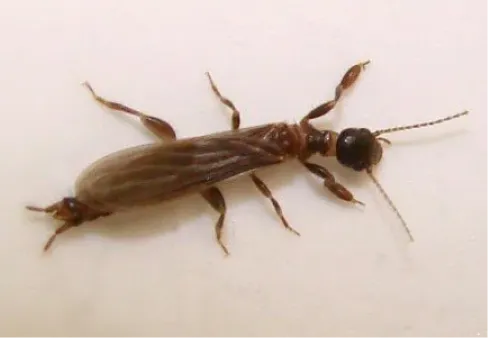
Web Spinners

Wasps
