
Termite Inspections, Treatments, and Fumigation Services in LA County
Termite treatment in Los Angeles County, backed by over 25 years of success. We inspect, treat, fumigate, and repair any termite damage. We are local, family-owned and hold a 4.9 star Google review score. To get started, give us a call or complete our form.
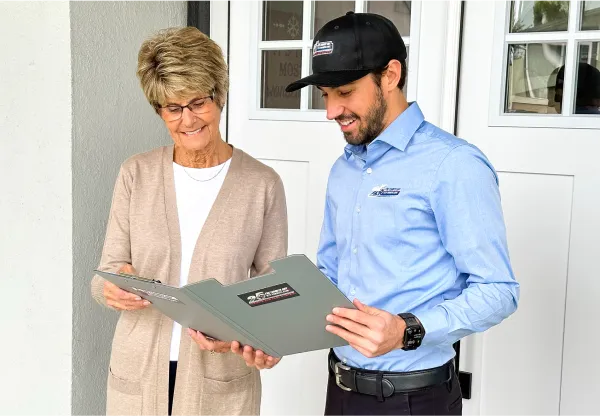
Termites can silently destroy your home's structure, leading to costly damage before you even notice. At The Termite Guy, we begin with inspections, identifying the scale and type of infestation, curating your treatment program accordingly. To eliminate small infestations, we offer heat treatments and spot treatments. For more established colonies, we recommend fumigation to ensure complete eradication.
.avif)




Briant Patterson
Commercial Services
Scott Bingham
Commercial Services
Zaf Niazi
Commercial Services
Deeann Graham
Commercial Services
Jonathan Skorheim
Commercial Services
Randy Rimmey
Commercial Services
Ryan Ole Hass
Commercial Services
Sara Pirooz
Home Repair
Justin Paxton
Fumigation
Bart Williamson
Treatment & Repair
Bonnie Frisch
Home Repair
Marc Guirguis
Home Repair
Larry Perez
Fumigation
Kevin Mendoza
Home Repair
Rene Schlegel
Pest Control
Donna Yslas
Treatment & Repair
Carol Saunders
Commercial Services
Ruby Vazquez-Urzua
Termite Treatment
Connor Limburg
Treatment & Repair
Ricky Mar
Treatment & Repair
Christopher Ruzin
Termite Treatment
Patricia Davis
Termite Treatment


Protect Your Home Today
Heat treatment is generally safe for most building materials, but certain heat-sensitive items — electronics, artwork, candles, some plastics — need to be removed or protected before treatment. We'll walk through what needs to be moved before your scheduled treatment.
Heat treatment can be highly effective for drywood termites when properly executed, particularly for treating a defined area or void. For widespread infestation across a large or complex structure, fumigation is generally the more reliable whole-structure option.
If treatment is limited to a specific area, you can often remain elsewhere in the home; whole-structure heat treatment, like fumigation, requires the home to be vacated during the process.
Most heat treatments are completed in a single day, since there's no aeration period required the way there is with fumigation.
Heat treatment uses specialized equipment to raise the temperature inside the treated area to a level that is lethal to drywood termites. The heat penetrates deep into the wood, eliminating termites without the use of fumigant gas or tents. Pros: • No fumigant gas or tenting required. • Can often be completed in a single day. • You typically do not have to leave your home for several days as you would with fumigation. • Leaves no chemical residue. Cons: • Typically more expensive than localized chemical treatment. • Depending on the property, it may not be suitable for widespread infestations. • Heat-sensitive items may need to be removed or protected, such as wood furniture assembled with glue, artwork, candles, vinyl records, electronics, certain musical instruments, and other items that can warp, melt, or be damaged by high temperatures.
Yes. Localized treatment is the standard treatment for subterranean termites. Unlike drywood termites, subterranean termites live in the soil and travel into structures through mud tubes, so fumigation is not effective against them. Depending on the infestation, we may recommend a localized treatment, a perimeter soil treatment, or a combination of both to eliminate the colony and protect your home.
Localized treatment is highly effective when drywood termite activity is limited to one or two accessible areas. Because the inspection is visual only, it treats only the areas where termite activity is found and cannot address hidden infestations that are not visible at the time of the inspection. The treatments include a 1-year warranty, limited to the specific area(s) that were treated. If widespread or inaccessible termite activity is suspected, fumigation may be the more appropriate solution.
Most localized treatments are completed in a single visit, typically a few hours, depending on how many areas need treatment and how accessible they are.
No. In most cases, you can remain in your home during a localized treatment because only specific areas are treated rather than the entire structure. However, you will need to stay out of the treated area for a few hours after the application, as instructed by your technician.
Cost depends entirely on the extent and location of the infestation found during inspection, so we don't estimate it sight-unseen. Once we've inspected your property, you'll get a clear, written treatment estimate before any work begins.
It's the right call when an inspection confirms termite activity is confined to one or a few accessible locations, rather than spread throughout the structure. It causes far less disruption than fumigation, since there's no need to vacate the home or bag up food.
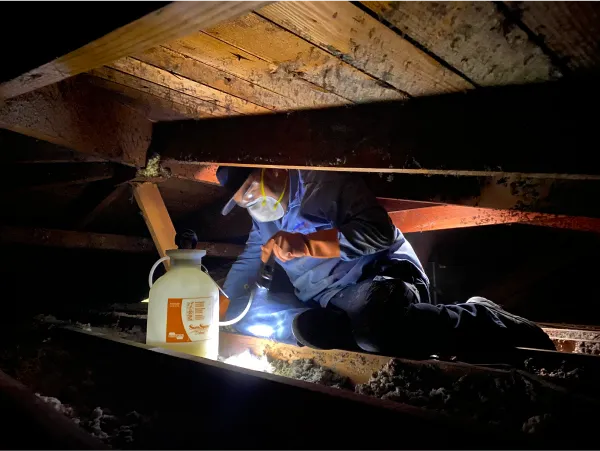
Localized treatment targets termite activity in a specific, identified area — like a single beam, sill plate, or section of subflooring — using injected or applied treatments directly where the infestation is, without tenting the whole structure.
Once the home has aerated and passes clearance testing, we will remove the tent, certify the structure as safe, and post a Safe for Re-Entry Notice on the front door. We recommend returning to your home in the afternoon on your scheduled re-entry day. The homeowner is responsible for contacting the gas company at least 48 hours in advance to schedule gas restoration. Be sure to request an afternoon appointment, as the home must first be certified safe for re-entry. Do not remove the Safe for Re-Entry Notice from your front door until after the gas company arrives, as they will not enter the property if the notice is missing.
We manage the entire fumigation process from start to finish. Your Transaction Coordinator and inspector will be your primary point of contact throughout the process. They coordinate scheduling with the fumigation crew, collect all required documents and authorizations, provide preparation instructions, and keep you informed every step of the way to ensure everything stays on track.
Fumigation is typically recommended when drywood termites are found in multiple areas of the home or when they are suspected to be hidden inside walls, attics, eaves, or other inaccessible areas where localized treatment cannot reach. If the infestation is limited to one or two accessible areas, localized treatment is often the more practical and less disruptive option.
Fumigation pricing is based primarily on the cubic footage of your home, which determines the amount of tarping and fumigant required. Our fumigations also include a 5-year warranty, providing long-term protection and added peace of mind. Call us at (877) TERMITE | (877) 837-6483 with your address, and we can provide a ballpark estimate before scheduling your inspection.
No. Once the fumigation is complete and the home has been properly aerated, the fumigant gas completely dissipates and leaves no residue on your furniture, clothing, dishes, or other household items. Because the gas leaves no residue, there is no need to clean your home after fumigation beyond your normal routine. For added peace of mind, our fumigations are backed by a 5-year warranty, giving you continued protection long after the process is complete.
Yes, every fumigation we perform is backed by a 5-year warranty against drywood termites.
People, pets, and houseplants must be removed from the home before fumigation and can return only after the structure has been cleared as safe. Outdoor plants and landscaping are generally not affected, as long as they are not enclosed under the fumigation tarp.
You'll need to remove or properly double-bag certain food and medications and make arrangements for all people and pets to be out of the home during the fumigation. We will coordinate with the gas company to have your gas service shut off before fumigation. After the fumigation is complete, the homeowner is responsible for scheduling the gas service to be restored. We'll provide a complete preparation checklist and guide you through every step before your scheduled date.
Most residential fumigations take 3 days and 2 nights to complete. Weekend fumigations typically take 4 days and 3 nights, since crews do not work on Sundays. The process includes tent installation, fumigation, aeration, and final clearance. You must remain out of the home until the fumigator has certified that it is safe to re-enter.
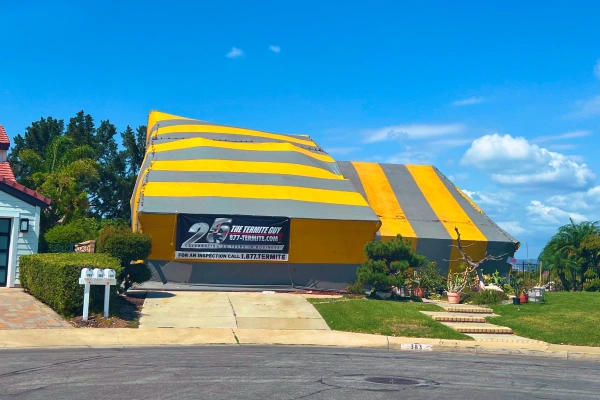
The entire structure is enclosed in a tarp, and a fumigant gas is introduced to penetrate every void in the wood, eliminating drywood termites throughout the structure — not just in the spots you can see. It's the only treatment that reaches termites hidden deep inside walls, eaves, and framing that can't be directly accessed for spot treatment.
In nature, termites are valuable decomposers that break down dead wood and recycle nutrients back into the soil. The issue is only when they target a structure instead of a fallen log — which is exactly when it's time to call in a professional.
Homeowners insurance typically does not cover termite damage because it is considered a preventable maintenance issue rather than a sudden or accidental event. Termite inspections and prompt treatment are the best way to detect infestations early, minimize damage, and avoid costly repairs.
They spread through swarmers — winged adults that fly from an existing colony and land directly on exposed wood to start a new colony. They can also be introduced through infested furniture, framing lumber, or firewood brought into the home.
Dampwood termites are drawn to wood with high moisture content, particularly decaying or water-damaged lumber, and unlike subterranean termites, they don't require soil contact to survive. Leaky pipes, poor drainage, and old water damage are the most common causes of dampwood activity in homes.
Yes — drywood termites can survive in wood with much lower moisture content than other termite species, often around 12%, which is part of why they thrive in dry Southern California wood framing, siding, and furniture.
A mature subterranean termite colony can contain anywhere from 60,000 to several million individuals, constantly foraging and feeding underground and through your structure's wood. Drywood termite colonies are smaller, but a single structure can host multiple separate colonies at once.
Mud tubes on foundations or walls, hollow-sounding wood, and discarded wings near ground-level entry points are the most common signs. Because they travel through soil, subterranean termite activity is often hidden behind walls or under flooring until an inspection uncovers it.
Look for small kickout holes surrounded by tiny termite droppings (called frass). These pellets are hard, dry, and about the size of a grain of sand or ground pepper, with a distinctive oval shape and six concave sides. Their color can range from light tan to dark brown or black, depending on the type of wood the termites have been feeding on. Other signs include hollow-sounding wood and discarded wings near windowsills, doors, or light fixtures after a swarm. In Southern California, drywood termite swarmers are most commonly seen in late summer through fall.
A large, established subterranean colony can cause serious structural damage within 2–3 years, though most damage takes longer to become significant. Drywood termite damage tends to develop more slowly, often taking 3–5 years before it's visibly noticeable.
Mud tubes are pencil-width tunnels subterranean termites build to travel between soil and wood while staying protected from predators and dehydration. Finding mud tubes on a foundation, pier, or exterior wall is one of the clearest signs of subterranean termite activity.
Subterranean termites live in the soil and travel into structures through mud tubes, needing constant ground contact for moisture. Drywood termites live entirely inside the wood they infest, need no soil contact, and can survive in wood with much lower moisture content.
The report identifies what was found; from there we'll recommend a treatment approach and provide a cost estimate based on the extent and type of infestation. Localized treatment pricing depends entirely on the inspection findings, and fumigation pricing is based on the cubic footage of your home.
Clear access to your attic hatch, crawl space entry, water heater closet, and any areas where stored items block exterior walls.
The California Structural Pest Control Board recommends having your home professionally inspected every 2 to 3 years. Because termites can establish a colony and remain hidden for years before swarming, regular inspections help detect infestations early, identify conditions that attract termites, and prevent more extensive damage.
Yes. Subterranean termites travel through soil and mud tubes, often staying inside walls or under floors where they're never seen until damage is significant. Drywood termites can be active inside a single wall stud for years before kickout holes or discarded wings ever appear.
Ask about a free estimate when you call to schedule — in most cases there's no cost to you to find out what's going on with your property and get a treatment recommendation.
It helps, but it isn't required as long as our inspector can access the exterior, garage, attic, and crawl space. If interior areas need to be checked, someone with access should be available, or arrangements can be made in advance.
Most residential inspections take 30–60 minutes, depending on the size of the home and how accessible the crawl space, attic, and exterior are. Larger properties or homes with limited access points may take longer.
A licensed inspector examines accessible areas of your home — foundation, crawl space, attic, eaves, and any wood-to-soil contact points — for live termites, damage, and the moisture conditions that attract them. You'll receive a written report identifying any findings, organized by California's standard Section 1 (active infestation or damage) and Section 2 (conditions likely to lead to infestation) categories.
More Termite GUy Services
Termite Inspections, Fumigation, & Treatments
Don’t let termites damage your home’s value. Our customized termite solutions ensure your home stays secure for years to come with expert inspections, targeted treatments, and fumigation backed by a 5-year warranty.


%201.avif)
.webp)

Pest Control Solutions to Protect Your Home
Our pest control services follow integrated pest management principles, offering inspections, targeted treatments, and preventative measures to keep your home pest-free. With next-day appointments and flexible monthly, bi-monthly, or quarterly service schedules, we deliver dependable protection and lasting peace of mind.


Certified, Trusted Home Renovation and Repair
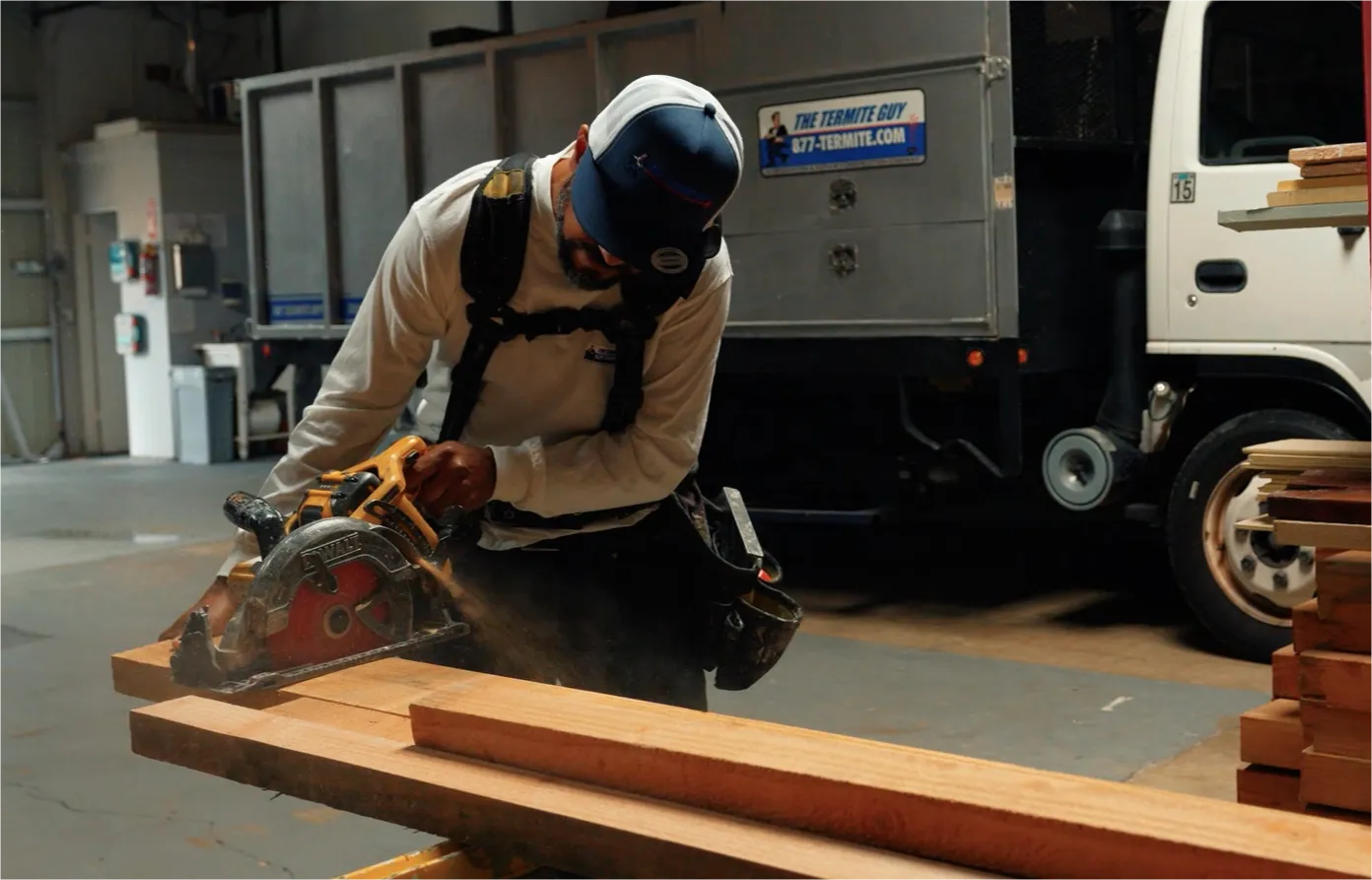
Our licensed inspectors and contractors specialize in home repairs and renovations to fix damage from termites, pests, and everyday wear. With expertise in deck and roof repairs, exterior painting, and insulation installation, we restore and protect your home with durable, lasting solutions.

.webp)

Friday: 7am - 4pm
Saturday - Sunday: CLOSED
