

.svg)

Southern California’s warm climate and diverse landscapes make it a haven for a variety of rodent species. From the bustling neighborhoods of Orange County and Los Angeles to the more rural stretches of Riverside County, mice and rats are ever-present. While some rodents are native to the region’s wildlands, others have adapted to thrive alongside humans, often becoming unwelcome guests in homes, businesses, and yards. Understanding which rodents are most common, their habits, and the risks they pose is the first step in effective prevention and control.
Common Rat Species in Southern California

Roof Rats: The Agile Invaders of Urban and Suburban Areas
Roof rats (Rattus rattus), also known as black rats or ship rats, are among the most prevalent rodent pests in Southern California. These slender, agile climbers are easily identified by their long tails, which are longer than their bodies, and their preference for nesting above ground. Roof rats are especially common in coastal and suburban neighborhoods, where they use tree branches, fences, and utility lines to travel between structures.
Their diet consists mainly of fruits, nuts, and seeds, making citrus trees a frequent target. One sign of roof rat activity homeowners may find is hollowed-out oranges or lemons still hanging on the tree. Indoors, roof rats favor attics and upper floors, where their gnawing on wires and insulation can create serious fire hazards and costly damage.
- Roof rats are expert climbers, often accessing homes via overhanging tree limbs or dense vegetation.
- They are most active at night and can be heard scampering in attics or wall voids.
- Roof rats are sometimes called “tree rats” due to their arboreal habits.
Norway Rats: The Burrowing Menace
Norway rats (Rattus norvegicus), also known as brown rats, sewer rats, or wharf rats, are larger and more robust than roof rats. With a blunt snout and a tail slightly shorter than their body, Norway rats are powerful burrowers. They dig extensive tunnel systems along building foundations, under woodpiles, and in gardens, sometimes undermining patios or even structural foundations.
These rats are omnivorous, thriving on proteins, grains, and food scraps, and are often found near garbage and sewers. Indoors, they typically remain on ground floors or in basements. Their presence is often revealed by well-worn runways along walls, greasy rub marks, and gnaw marks on various materials.
- Norway rats can chew through wood, plastic, and even soft metals, causing significant property damage.
- They are found throughout urban and rural areas of Southern California.
- Burrowing activity can destabilize foundations and create entry points for other pests.
Common Mice in Southern California

House Mice: The Ubiquitous Indoor Pest
The house mouse (Mus musculus) is the small, gray-brown rodent most likely to invade homes, garages, and businesses throughout Southern California. Originally introduced from elsewhere, house mice have adapted to virtually every human environment. They are prolific breeders, with a single female capable of producing up to 10 litters per year.
House mice are notorious for contaminating food supplies, gnawing on wires and insulation, and leaving behind droppings and a musky odor. Their presence can quickly escalate from a minor nuisance to a major infestation if not addressed promptly.
- House mice prefer grains and cereals but will sample a wide variety of foods.
- Signs of infestation include small rod-shaped droppings, gnaw marks, and shredded nesting materials.
- They can trigger allergies and asthma with their droppings and dander.
Deer Mice: The Wild Cousins with a Hidden Danger
Deer mice (Peromyscus spp.) are native to California and are abundant in natural areas such as forests, grasslands, and brushy fields. They are easily recognized by their brownish fur, white undersides, and distinctly bi-colored tails. While deer mice are less likely to invade urban homes, they often enter rural residences, cabins, or outbuildings, especially those near wildlands.
A critical concern with deer mice is their role as the primary carriers of Sin Nombre virus, which causes Hantavirus Pulmonary Syndrome (HPS), a rare but potentially fatal respiratory illness. The virus is shed in their saliva, urine, and droppings, and humans can contract it by inhaling contaminated dust, particularly when cleaning out long-vacant structures.
- Deer mice are agile and can nest in quiet, undisturbed places indoors.
- They are present in every county of California, including canyon and foothill areas of Southern California.
- Proper safety precautions are essential when cleaning up after deer mice to avoid hantavirus exposure.
Hantavirus Safety Tips
- Ventilate spaces before cleaning.
- Wear gloves and a HEPA mask.
- Disinfect droppings with a bleach solution before removal.
- Seal entry points to prevent future infestations.
Other Native Mice: Field Mice and Pocket Mice
Southern California is home to a variety of other native mice, including the Western Harvest Mouse, Grasshopper Mouse, and California Pocket Mouse. These species typically inhabit grassy fields, deserts, and chaparral, and rarely enter homes. They play important roles in local ecosystems, serving as prey for predators and helping to disperse seeds.
While these wild mice are less likely to become pests, homeowners living near open spaces may occasionally encounter them indoors, especially if the house is not well sealed.
- Western Harvest Mice are tiny and prefer outdoor habitats.
- Grasshopper Mice are known for their unique vocalizations and live in desert areas.
- California Pocket Mice have fur-lined cheek pouches and are rarely indoor pests.
Why Rats and Mice Are a Problem in Southern California
Property Damage: Small Rodents, Big Repairs
Rats and mice have ever-growing incisors, compelling them to gnaw constantly. This behavior leads to significant property damage, from chewed wood framing and drywall to shredded insulation and gnawed electrical wiring. In attics and wall spaces, rodent activity can create fire hazards and compromise the structural integrity of a building.
Norway rats, in particular, can undermine patios and foundations with their burrowing, while roof rats may damage roof materials and eaves. Even vehicles and outdoor equipment are not safe from their destructive tendencies.
- Rodents can chew through a variety of materials, including wood, plastic, and soft metals.
- Electrical damage from gnawing can lead to short circuits and fire risks.
- Stored items and insulation are often destroyed by nesting rodents.
Food Contamination: A Hidden Health Hazard
Rodents are notorious for raiding pantries and contaminating food supplies. As they move through stored food, they leave behind droppings, urine, and hair, all of which can carry harmful pathogens. Mice, in particular, will nibble on multiple packages, rendering large quantities of food unusable.
Contaminated food and surfaces can transmit illnesses such as Salmonella, making it essential to discard any food items or packaging that show signs of rodent activity.
- Rodents contaminate far more food than they consume.
- Droppings and urine can spread food-borne illnesses.
- Proper sanitation and food storage are critical in preventing contamination.
Disease Transmission: More Than Just a Nuisance
Beyond food contamination, rodents and their parasites can transmit a range of diseases to humans and pets. In Southern California, city rats are associated with murine typhus, a flea-borne illness that has caused outbreaks in Los Angeles and Orange County. Rats and mice can also carry Leptospirosis, rat-bite fever, and, in rural areas, hantavirus and even plague (though the latter is rare in urban settings).
It’s important to note that rodents do not carry rabies, but their presence increases the risk of exposure to other pathogens and flea-borne illnesses.
- Murine typhus is spread by fleas that infest rats and stray cats.
- Leptospirosis is transmitted through rodent urine and can cause serious illness.
- Hantavirus is a risk in rural areas where deer mice are present.
Allergies and Asthma: Indoor Air Quality Concerns
Rodent infestations can significantly impact indoor air quality. Mouse urine and dander are potent allergens, and dried droppings can become airborne, triggering allergies or asthma attacks in sensitive individuals. Thorough cleanup, with proper safety precautions, is necessary to restore a healthy indoor environment after an infestation.
- Rodent allergens can linger long after the pests are gone.
- Proper cleaning and ventilation are essential for health and safety.
Preventing and Controlling Rodent Infestations
Seal Entry Points: The First Line of Defense
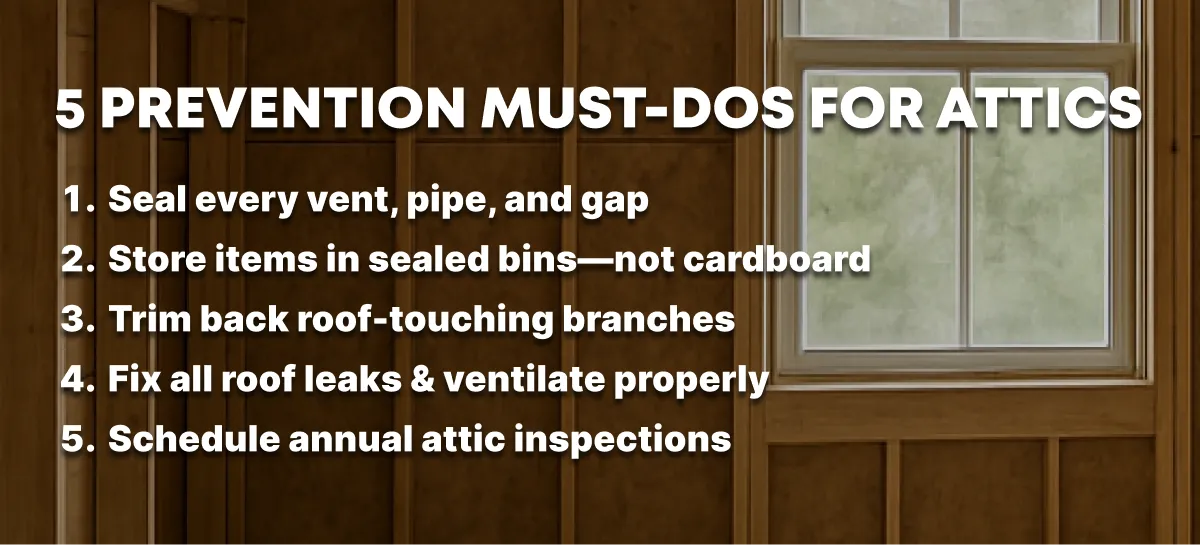
Rodents are remarkably adept at squeezing through tiny openings. Rats need only a half-inch gap, while mice can fit through holes as small as a quarter-inch. Inspect your home’s exterior carefully, sealing any cracks, gaps, or holes in walls, foundations, and around pipes or cables. Use durable materials like steel wool or wire mesh, followed by caulk or cement, to block entry points.
Weather-stripping doors and windows and ensuring vent screens are intact will further reduce the risk of rodent entry.
- Regularly inspect and maintain your home’s exterior.
- Seal all potential entry points, no matter how small.
- Use materials that rodents cannot chew through.
Remove Food and Habitat Attractants: Make Your Property Less Inviting
Good sanitation is key to discouraging rodents from settling near your home. Store all food, including pet food and birdseed, in rodent-proof containers with tight lids. Clean up spilled food promptly and avoid leaving pet food out overnight. Secure garbage cans and keep the surrounding area clean.
In gardens, pick up fallen fruit and manage compost piles to avoid attracting roof rats. Eliminate clutter and potential nesting sites in garages, sheds, and yards by keeping these areas tidy and free of debris.
- Store food in sealed, rodent-proof containers.
- Keep garbage and compost areas clean and secure.
- Reduce clutter and eliminate hiding spots around your property.
Trim Vegetation and Landscaping: Limit Rodent Access
Roof rats often access homes by running along tree limbs or dense vegetation that touches the roof or walls. Trim back tree branches at least three feet from the roofline and thin out dense ivy or foliage growing on fences and walls. Keeping landscaping open and away from the house makes it harder for rodents to gain entry.
- Regularly trim trees and shrubs near your home.
- Remove or thin dense vegetation that could provide cover for rodents.
Trapping and Removal: Safe and Effective Solutions
If rodents are already indoors, trapping is a practical, poison-free way to eliminate them. Snap traps are effective for both mice and rats when placed along walls and runways. For roof rats, set traps in elevated areas like attics or rafters; for Norway rats and mice, place traps along walls in quiet, dark corners on the floor. Bait traps with peanut butter, nuts, or dried fruit for best results.
Always use gloves when handling traps and disposing of rodent carcasses. In outdoor areas, live-catch traps can be used for pack rats or other wildlife, but it’s important to address the underlying attractants to prevent their return.
- Place traps in areas where rodent activity is observed.
- Use attractive baits and check traps regularly.
- Handle traps and carcasses with care to avoid disease exposure.

Stay Rodent-Free with The Termite Guy
Rodents are a fact of life in Southern California, but you don’t have to let them take over your home or business. Early detection and prompt action are key to minimizing property damage, food contamination, and health risks. The Termite Guy offers expert rodent inspection, exclusion, and removal services tailored to the unique challenges of Orange County and Los Angeles County. Our team uses proven, eco-friendly methods to keep your property safe, healthy, and rodent-free.
Don’t wait for a small problem to become a big one. Contact The Termite Guy today for a thorough inspection and customized rodent control plan. Protect your investment and your family’s health with the trusted local experts who know Southern California’s rodent challenges inside and out.

.svg)
