

.svg)
.webp)
For homeowners associations in Orange County and Los Angeles County, effective pest and termite control protects property value, resident satisfaction, and legal compliance. The region’s warm, dry climate and the density of multi-unit communities create ongoing pressures that require proactive and well-managed solutions. The Termite Guy partners with boards and community managers to make planning, communication, and treatment straightforward.
Pest Pressures in Southern California: Why HOAs Face Unique Challenges
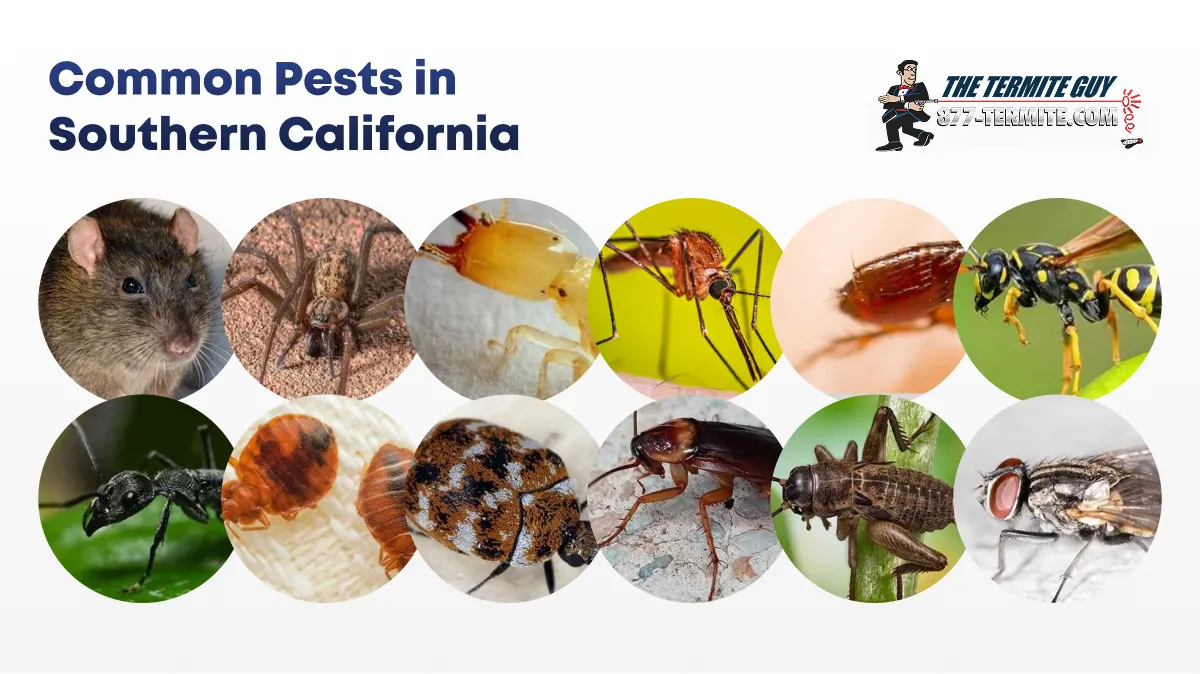
Common Pests Threatening Local Communities
Southern California’s warm, dry climate is ideal for a variety of pests that can quickly spread through multi-unit properties. HOAs in Orange and LA counties frequently contend with:
- Ants: Especially Argentine ants and odorous house ants, which invade kitchens and common areas in search of food and water.
- Rodents: Mice and rats nest in attics, crawl spaces, and shared walls, causing damage and health risks.
- Cockroaches: Thrive in moist environments and can rapidly infest shared laundry rooms, clubhouses, and utility spaces.
- Spiders: Many are harmless, but some species concern residents, especially in garages and storage areas.
- Termites: The most costly threat to wood-frame buildings common in local HOAs.
- Mosquitoes: Breed in standing water around pools, fountains, and poorly drained landscaping; local vector control agencies like the Orange County Mosquito and Vector Control District offer helpful guidance.
Because pests move easily between walls, attics, and shared areas, a single problem can spread quickly across buildings. Integrated Pest Management strategies highlight the need for coordinated action and professional expertise.
Risk Factors in HOA Environments
Multi-unit layouts, shared amenities, and resident turnover can accelerate the spread of pests. Irrigated landscaping, pools, and clubhouses provide additional entry points and harborage. Without routine inspections and preventive work, small issues can escalate and impact both property values and quality of life.
Understanding HOA Responsibilities Under California Law
Who Handles What? Common Areas vs. Private Units
Responsibility for pest control is typically divided between common areas and private units. California Civil Code, including Section 4780, and your governing documents (CC&Rs, bylaws, rules) guide who handles what. Most HOA governing documents specify that the association is responsible for pest control in common areas (landscaped grounds, clubhouses, and pools) while homeowners are typically responsible for the interior of their own units.
Why Clarity Matters
Ambiguity in pest control responsibilities can lead to disputes, delays, and increased costs. Clear communication and well-documented protocols are essential for smooth project management and resident cooperation.
Best Practices for HOA Pest & Termite Control
.webp)
Regular Inspections: The First Line of Defense
Routine inspections allow early detection and quick resolution. Annual or semi-annual schedules protect shared structures and reduce emergency calls. For state-specific guidance and consumer protections, consult the California Structural Pest Control Board. The Termite Guy offers scheduled plans tailored to HOA calendars and building layouts.
Annual Service Plans vs. One-Time Treatments
While one-time treatments may address immediate problems, recurring service plans offer year-round protection and budget predictability. These plans typically include:
- Scheduled inspections and targeted treatments
- Proactive monitoring for emerging risks
- Priority response for urgent issues
- Documentation for compliance and record-keeping
Recurring service provides year-round protection and budget predictability, which helps boards avoid costly surprise interventions.
Community-Wide Solutions for Termite Infestations
When multiple buildings show termite activity, coordinated treatment may be required. Options can include localized treatments or whole-structure fumigation, supported by clear resident notifications and adherence to safety rules. For regulatory context on structural treatments, review California’s Department of Pesticide Regulation guidance and the Structural Pest Control Board’s consumer resources.
Typical Project Flow for Large-Scale Termite Work
- Inspection and mapping of affected buildings
- Board approval and budget finalization
- Resident notifications and preparation guidelines
- Treatment, safety monitoring, and re-entry clearance
- Post-treatment reporting and warranty documentation
The Importance of Choosing Reputable, Licensed Providers
.webp)
Licensing and Insurance
In California, only licensed operators may perform structural pest work. Boards can verify credentials through the state’s license lookup. Adequate liability coverage protects both the association and the provider.
Verifying Reputation
- Ask for references from local property managers and HOAs
- Review warranty terms and fulfillment history
- Confirm clear, written scopes of work and pricing
- Evaluate communication quality and response times
Reliable treatment and thorough follow-through are the difference between a short-term fix and long-term protection. The Termite Guy is known for consistent results and transparent communication across Southern California communities.
How The Termite Guy Simplifies HOA Pest & Termite Control
Dedicated HOA Liaison for Seamless Communication
The Termite Guy stands out by providing a HOA liaison; a dedicated staff member who serves as the single point of contact for the HOA board, property managers, and residents. This approach ensures prompt, clear communication, minimizes confusion, and streamlines project coordination from start to finish.
3-Building Sampling Protocol for Accurate Assessments
Rather than relying on random spot checks, The Termite Guy inspects three representative buildings to gauge community-wide conditions. This approach improves accuracy, targets treatments where they matter most, and helps control costs.
Annual Service Plans Tailored to HOA Needs
Our annual service plans are designed specifically for HOAs, offering:
- Scheduled inspections and treatments for common areas and exteriors
- Proactive risk assessments and early intervention
- Budget-friendly pricing and predictable costs
- Priority response for urgent issues
Planning ahead reduces disruption and improves resident satisfaction.
Community-Wide Fumigation with 5-Year Warranty
For extensive termite infestations, The Termite Guy offers scalable community-wide fumigation. We handle all logistics, from resident notifications to regulatory compliance, and back our work with a robust five-year warranty. This long-term protection gives boards and residents peace of mind, knowing their investment is secure.
Construction & Repairs: Restoring Value Beyond Treatment
The Termite Guy provides repair of termite-damaged wood and installation of termite-resistant pergolas. Integrated service restores structural integrity and extends the value of your treatment investment.
.webp)
Protect Your Community with The Termite Guy
Ready to safeguard your HOA? Contact The Termite Guy today to schedule a consultation or request a quote. Discover why property managers and HOA boards across Orange County and Los Angeles trust us for reliable, transparent, and long-lasting pest and termite solutions.

.svg)
